What to Do About Dead Mushrooms in Straw Mushroom Cultivation? Detailed Control Measures
Straw mushroom (Volvariella volvacea) is a fungus that fruits at high, constant temperatures, and it has strict environmental requirements. Based on the biological characteristics of straw mushroom and the author's years of experience in straw mushroom spawn production and cultivation practice, this article briefly discusses the causes of dead mushrooms in straw mushroom cultivation and the countermeasures, for readers' reference. 1. Causes of dead mushrooms in straw mushroom cultivation. 1. Poor coordination between ventilation and moisture retention in the mushroom house. Straw...
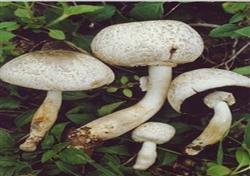
Straw mushroom (Volvariella volvacea) is a fungus that fruits at high, constant temperatures, and it has strict environmental requirements. Based on the biological characteristics of straw mushroom and the author's years of experience in straw mushroom spawn production and cultivation practice, this article briefly discusses the causes of dead mushrooms in straw mushroom cultivation and the countermeasures, for readers' reference.
1. Causes of dead mushrooms in straw mushroom cultivation
1. Poor coordination between ventilation and moisture retention in the mushroom house. Straw mushroom is an aerobic fungus, and its growth requires a large amount of water. Too much ventilation easily leads to water loss and death. Insufficient ventilation easily causes excessive carbon dioxide and death from oxygen deficiency.
2. Sudden temperature changes in the mushroom house. In southern China, most straw mushroom cultivation uses foam mushroom houses, which play an important role in maintaining constant temperature and humidity. However, if doors and windows are not closed in time when a typhoon strikes, or if heating is not applied in time when freezing damage occurs, or if ventilation and cooling are not carried out early enough during sustained high temperatures, or if too much well water is sprayed on the floor, cooling too quickly, the small mushrooms cannot withstand the sudden temperature change and die in batches.
3. Poor spawn quality and damage from pests and diseases. For various reasons, spawn of the proper age may age and die because it cannot be cultivated in time. If the mycelial vigor is poor, nutrient accumulation after spawning is insufficient, and the fruiting survival rate will also be very low. At the same time, infection by contaminant fungi or infestation by mites can also cause dead mushrooms.
2. Control countermeasures
1. Straw mushroom prefers to grow in a high-temperature, high-humidity environment. After the compost is brought into the house, its moisture content must be strictly controlled, and over-age spawn must not be used. At the same time, keep the mushroom house temperature at around 30°C. If sustained high-temperature weather occurs and moisture is on the low side, water can be sprinkled on the floor and ventilation and air exchange increased to achieve the purpose of cooling and moisture retention.
2. The wheat bran (nitrogen) applied to the surface of the spawn bed should not exceed 3% (it may also be omitted), to reduce the occurrence of Trichoderma green mold and other contaminant fungi as well as pest damage.
3. When harvesting straw mushrooms, be careful to avoid mechanically bruising the small mushrooms or pulling apart the mycelial layer and causing dead mushrooms. As long as care is taken in every production step, the phenomenon of dead mushrooms in straw mushroom cultivation can be reduced.