Chemical control methods for weed molds and pests in straw mushroom cultivation
Control measures for Coprinus (ink cap) weed molds: (1) Use fresh compost material as much as possible; sun-dry it for 2 days before use, or soak the raw material in lime water. (2) Control the nitrogen content of the compost; when using fermented material or fermented cultivation, the amount of wheat bran or rice bran added should not exceed 5%, and poultry and livestock manure should be kept at 3%. Regardless of the material used for cultivation, double fermentation is best...
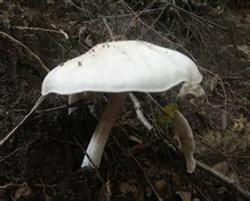
Coprinus (ink cap) weed molds. Control measures: (1) Use fresh compost material as much as possible; sun-dry it for 2 days before use, or soak the raw material in lime water. (2) Control the nitrogen content of the compost; when using fermented material or fermented cultivation, the amount of wheat bran or rice bran added should not exceed 5%, and poultry and livestock manure should be kept at 3%. Regardless of the material used for cultivation, double fermentation is best, as this can greatly reduce Coprinus contamination. (3) During fermentation, keep the moisture content of the compost within 70% to ensure high-temperature fermentation and obtain high-quality compost. At the same time, when mixing the compost, adjust the pH of the compost to about 10.
Trichoderma. Control measures: Trichoderma can grow within the range of 4°C to 42°C, and its spores germinate readily in high-humidity environments. When it infects straw mushroom substrate, it appears as white cottony fluff in the early stage and turns green later. If spawn is affected by Trichoderma, it must be discarded; even mildly infected spawn should be thrown away without hesitation. To date there is no ideal eradicating agent for Trichoderma; common fungicides only inhibit it rather than kill it, and increasing the dosage only kills both Trichoderma and straw mushroom mycelium at the same time. Therefore, creating an ecological environment suitable for straw mushroom mycelium growth but unfavorable for Trichoderma reproduction is the fundamental measure for controlling the damage. Once Trichoderma damage occurs, ventilate and cool down immediately to inhibit its spread. For compost that becomes infected during the mycelium-running stage, injection of liquid chemicals can be used to inhibit Trichoderma expansion. Commonly used liquids include 5% carbolic acid, 2% formaldehyde, 1:200 dilution of 50% carbendazim, 75% methyl thiophanate, and lime water at pH 10. In addition, sprinkling white lime powder on the contaminated area also gives good control results.
Mushroom mites. Control methods: Give priority to prevention; keep the mushroom house as far away as possible from warehouses, feed rooms, poultry and livestock sheds, etc. Carry out double fermentation of the cultivation materials. When the infestation is severe, before re-spreading the compost in the mushroom house, spray or fumigate with 500-fold dilutions of acaricides such as dichlorvos and dicofol for 24 hours. Once mushroom mites are found, which are small, flat or oval, white or yellow, and have many bristles, immediately use the following methods to kill them: Fumigation to kill mites: dip a cotton ball in dichlorvos, place it on the surface of the compost at the bottom of the bed frame, then cover the bed surface with plastic sheeting and use the volatilizing chemical to fumigate and kill the mites. Spraying to kill mites: spray with 1500-fold dilution of propetamphos or 500-fold dilution of propargite to kill mites.
Mushroom flies. Control methods: Set up drainage ditches around the mushroom yard to remove standing water, and regularly spray with 0.5% dichlorvos to kill them; carry out double fermentation of the compost to kill larvae and eggs inside the material; use black-light lamps to trap and kill them.
Fungus gnats. Control methods: Keep the mushroom house clean; the cultivation site should be far away from garbage piles and decaying matter; old material after harvest should be removed as early as possible. When the infestation is severe, spray with 1000-fold dilution of crystalline trichlorfon before fruiting or after picking mushrooms for control.