How to grow high-temperature mushrooms? Detailed explanation of cultivation techniques
I. Overview The mushroom is Agaricus bisporus, which is delicious and nutritious. It contains high protein, low fat, multiple vitamins, cellulose, sugars, and calcium, phosphorus, iron, etc. Among the proteins it contains are 18 amino acids, 8 of which are essential amino acids for the human body. Therefore, mushrooms are a wonderful...
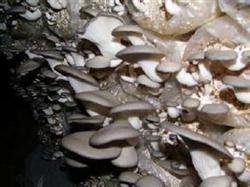 The mushroom has tender flesh and a delicious taste, and is a traditional edible fungus variety generally loved by people. However, the common mushroom variety is Agaricus bisporus, with a fruiting temperature of around 16°C, and it can only be seen on the market in autumn, winter, and early spring. The edible fungus technology extension station of Zhangjiagang City, Jiangsu Province, introduced and cultivated a high-temperature mushroom variety in 1998. It is a four-spored mushroom with a fruiting temperature of 26-31°C. The fruiting bodies still grow well when the temperature reaches as high as 26-38°C in July and August, and maintain continuous batch production capacity, achieving relatively high yields. This completely changed the history of no fresh mushrooms being available on the market in summer, and made year-round mushroom cultivation a reality for mushroom farmers. The following briefly introduces the cultivation techniques for high-temperature mushrooms.
1. Spawn production
1.1 Spawn The high-temperature mushroom Xindeng 96 was introduced from the Mushroom Research Institute of Hangzhou Changqing Health Food Co., Ltd.
1.2 Culture medium The mother spawn uses PDA medium, and the stock spawn and cultivation spawn use wheat grain medium, with a formula of 98% wheat grain and 2% calcium carbonate. After bottling, sterilization, inoculation, and cultivation, finished spawn is produced and supplied to growers.
2. Cultivation techniques
2.1 Compost formula Conventional fermented rice straw material is used. The specific formula is (calculated for an area of 111.1 sq m): 2000 kg rice straw, 140 kg rapeseed cake, 100 kg superphosphate, 100 kg gypsum, 75 kg lime, 40 kg urea.
2.2 Stacking and fermentation of compost The two-stage fermentation method is used. It is stacked outdoors for about 15 days, during which it is turned 3-4 times, then moved into a mushroom house or mushroom shed and heated. It is heated to about 65°C and kept for 6-8 hours, then cooled to 52°C and kept for 3 days for after-fermentation.
2.3 Sowing and management during the spawn-running period After the second fermentation ends, open the doors and windows for ventilation. When the compost temperature drops to 30°C, use the two-time broadcast sowing method. That is, first scatter 2/3 of the spawn amount on the surface of the compost, then turn the spawn into the compost, and then scatter the remaining 1/3 of the spawn on the surface of the compost layer, and gently pat it level with a wooden board. The sowing rate is 2 bottles of wheat grain spawn or 3 bottles of cottonseed hull spawn per sq m. After sowing, keep the windows tightly closed to promote spawn running, and ventilate appropriately when the temperature is high.
2.4 Casing soil When the mycelium has basically grown to the bottom of the compost layer, carry out casing. Before casing, thoroughly check whether there are latent contaminating microorganisms and pests. Once found, measures must be taken to eliminate them before casing. The casing material is fine mud and rice husk soil or river mud and rice husk soil. The ratio of rice husk to soil is 20:1. Spray with formaldehyde for disinfection before use. The moisture should be such that it holds together when squeezed and separates when released, with a pH of about 8. The casing thickness is 3-4 cm. After casing, spray about 2.25 kg/sq m of clean water, close the windows tightly, and add soil when mycelium emerges from the cracks in the soil layer.
2.5 Fruiting management About 15 days after casing, the mycelium begins to knot and form primordia. At this time, carry out ventilation and watering so that the bed surface always remains moist. When mushroom buds the size of soybeans appear in the soil cracks, water promptly to promote fruiting body formation. At the same time, maintain relatively high air humidity in the mushroom house (mushroom shed), reaching 85%-90%. Throughout the entire cultivation management process, correctly handle the relationship among watering, ventilation, and moisture retention. Mushrooms should be harvested promptly, neither too early nor too late.
2.6 Pest and disease control If pests are found during cultivation, yellow-brown spots will appear on the surface of the mushrooms. After one flush of mushrooms ends, spray the bed surface with 4 mL of Decis mixed with 25 kg of water. Ordinarily, hang cotton balls dipped in dichlorvos on both sides of the aisle in the mushroom shed to drive away adult insects. At the same time, increase ventilation so that water does not accumulate on the mushroom bodies and cause discoloration and rotten spots.