Detailed Explanation of Key Technical Points for Pollution-Free Shiitake Mushroom Production
High-quality shiitake mushrooms not only fetch a high price but also remain perennially popular, while the market for ordinary shiitake mushrooms tends toward saturation. How to obtain large quantities of high-quality shiitake mushroom products with minimal investment is the goal that every shiitake mushroom producer strives to achieve. 1. Quality Certification of High-Quality Shiitake Mushrooms. The quality of log-cultivated shiitake mushrooms includes morphological quality, nutritional...
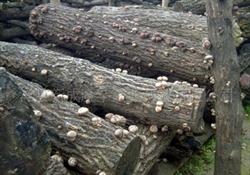 The pollution-free production technology for shiitake mushrooms mainly includes optimizing the ecological environment of the production area, strict control of cultivation raw materials, careful selection of superior mushroom strains, standardized production of mushroom bags, scientific management of mushroom fruiting, control of pesticide use, and product standardization. Moreover, each step must be operated strictly in accordance with scientific and technical procedures, so that the products meet the requirements of the national agricultural industry standard NY-2002.
I. Requirements for Pollution-Free Shiitake Mushroom Spawn Culture Rooms
1. Shiitake mushroom spawn culture rooms must be far away from food brewing industries, poultry and livestock sheds, hospitals, and residential areas, at least 1000 m away.
2. Shiitake mushroom spawn culture rooms should face south with their backs to the north, in a clean environment, with air quality reaching Grade I, free of sulfur dioxide, nitrogen oxides, fluorides, lead, etc. Their windows should be fitted with insect-proof screens, and the walls should be painted white and free of dust contamination.
3. Disinfectants used in spawn culture rooms should be pollution-free agents, such as calcium hypochlorite, which rapidly generates substances harmless to the environment, human body, and shiitake mushroom production upon contact with air, thereby eliminating pathogenic microorganisms.
4. Install ultraviolet lamps for illumination in the spawn culture rooms, or use physical disinfection methods such as electronic ozone sterilizers to replace chemical agents for sterilization.
II. Technical Requirements for Shiitake Mushroom Production
1. The site of field mushroom sheds must be close to flowing water sources, with spacious surroundings, fresh and flowing air, and no garbage or other waste around, so as to eliminate pollution sources.
2. The ground of the mushroom shed must be deeply plowed, sun-bleached, and leveled. The soil used for casing cultivation should comply with the provisions of GB 1568, namely that the six indicators of mercury, arsenic, lead, cadmium, BHC, and DDT do not exceed the standards.
3. The mushroom beds in field mushroom sheds must be spread with stone powder or sprayed with biological preparations such as rapeseed cake and tobacco leaves.
4. The water source for the mushroom shed must be pollution-free, with clean water quality, and the water quality should comply with the provisions of national standard GB5749.
5. Crop rotation must be carried out rationally, adopting one year of mushroom cultivation followed by one year of rice, wheat, or vegetables, thereby cutting off intermediate transmission hosts through rotation, reducing the accumulation of disease and pest sources, and avoiding the aggravation of diseases and pests caused by continuous cropping.
III. Requirements for Raw Materials and Auxiliary Materials for Shiitake Mushrooms
1. Quality control at the material collection stage: raw materials must be fresh, free from mold, rot, or deterioration. For raw materials such as cottonseed hulls and wheat bran, which are crop by-products, pesticide residue testing must be conducted. Only raw materials that do not exceed the standards can be used for cultivating pollution-free shiitake mushrooms.
2. Sterilization control at the warehousing stage: before raw materials enter the warehouse, they must be exposed to intense sunlight to kill pathogenic bacteria, pests, and maggots.
3. Moisture-proof control at the storage stage: warehouses storing raw materials must be dry, ventilated, protected from rain, and protected from moisture, ensuring that raw materials do not become moldy or deteriorate.
4. Control at the material stacking and fermentation stage: when raw materials are used, they must be stacked and fermented in advance to kill contaminating bacteria and pests lurking in the raw materials. Pollution-free agents may also be used for sterilization and pest control during material stacking, but highly toxic and high-residue pesticides such as methamidophos are prohibited to avoid pesticide residue hazards.