How do you prevent and control dead mushrooms in button mushrooms (Agaricus bisporus)?
How do you prevent and control dead mushrooms in button mushrooms? Please provide an introduction to the control methods. For dead mushrooms in button mushrooms, you can refer to the following methods for prevention and control: 1. Causes of dead mushrooms: prolonged high temperatures, poor ventilation, insufficient nutrients, improper watering, mycelial aging, unsuitable pH, overly dense fruiting with primordia positioned too high, damage from pests and diseases, abuse of pesticides, etc., can all...
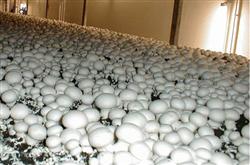
How do you prevent and control dead mushrooms in button mushrooms? Please provide an introduction to the control methods.
For dead mushrooms in button mushrooms, you can refer to the following methods for prevention and control:
1. Causes of dead mushrooms: prolonged high temperatures, poor ventilation, insufficient nutrients, improper watering, mycelial aging, unsuitable pH, overly dense fruiting with primordia positioned too high, damage from pests and diseases, abuse of pesticides, etc., can all lead to dead mushrooms in button mushrooms.
2. Prevention and control measures: 1) Apply sufficient growing substrate. The growth and development of button mushrooms, like that of any living organism, requires an adequate nutritional foundation. To achieve high yields in mushroom cultivation and avoid the death of mushroom primordia due to malnutrition, the substrate should be applied at 30-35 kg/sq m when preparing the growing substrate, and the stacking and fermentation of the substrate should be done carefully. This helps overcome dead mushrooms caused by insufficient nutrients in the later fruiting stage, thereby achieving high yields. 2) Select high-quality spawn. Choose spawn with robust and vigorous mycelial growth. The spawn culture medium must have sufficient nutrients, and the culture room must be clean and hygienic with fresh air. During the spawn cultivation process, temperature changes should be checked frequently so that the mycelium grows at a suitable temperature, and contaminated spawn should be eliminated promptly. 3) Cultivate at the right time. In the central and southern parts of North China, materials are generally prepared and stacked in August, and spawning is done in September. 4) Scientific watering. Water management should be adapted to the weather and the amount of fruiting, and adjusted according to the time. Spray more on sunny days, less on rainy days; spray frequently when there are many mushrooms, and cautiously when there are few. The water for pinhead formation should be generous, the water for fruiting should be steady, the water for flush transition should be heavy, and the maintenance water should be regular. Practice scientific watering and avoid spraying "closed-door water." 5) Ventilation and air exchange. Normal growth and development of mushrooms requires absorbing oxygen and releasing carbon dioxide. High concentrations of carbon dioxide are harmful to fruiting body development. If the mushroom shed has poor ventilation for a long time, the carbon dioxide concentration becomes too high and oxygen is insufficient, which adversely affects mushroom growth and development. Therefore, attention should be paid to ventilation and air exchange during cultivation. 6) Pest and disease control. During cultivation, adhere to the principle of "prevention first, with pesticides as a supplement." Thoroughly eliminate sources of disease and pests, and prevent pests and diseases from being brought into the mushroom bed with the substrate; use post-fermentation to kill pests and diseases in the substrate; after pests and diseases occur, promptly remove diseased and dead mushrooms and use pesticides for control to prevent them from spreading.
Click to get more button mushroom cultivation techniques
Click to get more edible mushroom cultivation techniques