A Detailed Guide to Oyster Mushroom Cultivation Techniques and Pest and Disease Control Methods
How do you control pests and diseases in oyster mushrooms? Please provide an introduction to the control methods. Oyster mushroom pests and diseases can be controlled by referring to the following methods: 1. Preventive measures. 1. Environment: The mushroom house and bed frames must first undergo strict sterilization and insect disinfection, and during the mushroom growing period, work on heat preservation, moisture retention and ventilation should be done as well as possible. 2....
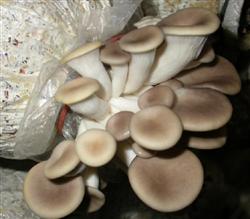
How do you control pests and diseases in oyster mushrooms? Please provide an introduction to the control methods.
Oyster mushroom pests and diseases can be controlled by referring to the following methods:
1. Preventive measures
1. Environment: The mushroom house and bed frames must first undergo strict sterilization and insect disinfection, and during the mushroom growing period, work on heat preservation, moisture retention and ventilation should be done as well as possible.
2. Raw materials: The quality of the culture medium must meet requirements. Raw materials that have been rained on, are moldy or fermented must not be used. When processing raw materials, the pH value of the culture medium must be properly controlled. 3. Management: In daily management work, be careful and meticulous, check more and observe frequently, discover pests and diseases in time, and eliminate them at the initial stage.
2. Comprehensive control of major contaminating fungi
1. Mold. Mold grows on the surface of the culture medium and competes with oyster mushrooms for nutrients and water, and some also secrete substances that hinder the growth of oyster mushrooms. High temperature, high humidity and poor ventilation in the mushroom house are the causes of mold development. Therefore, the mushroom house should be ventilated and aired to regulate the temperature and humidity inside, and keep the air fresh. Once mold appears, the culture medium covered with mold can be removed with tweezers, or lime powder can be thinly sprinkled on the mold to kill it.
2. Coprinus comatus. When the quality of the culture medium is poor, the pH value is on the high side, ventilation is poor and humidity is on the high side, Coprinus comatus is likely to appear. Therefore, the above causes should be addressed immediately and precautions strengthened. Once it appears, it should be pulled out immediately.
3. Control of major insect pests
1. Mushroom flies. The main damage to oyster mushrooms is caused by their larvae, fly maggots. The fly maggots first invade the stipe, then gradually move to the cap, boring the fruiting body into countless small holes. When fly maggots appear, watering can be appropriately stopped to let the bed surface dry out, causing the maggots to die from lack of water. For adult flies, 5 grams of monosodium glutamate, 25 grams of white sugar, 0.25 milliliters of dichlorvos and 1000 milliliters of water can be mixed to trap and kill them.
2. Mites. Mites mostly feed on mycelium and cause great damage. If mites are found, a 1:1000 solution of chlorfenethol or a 1:800 solution of mite-killing sulfone can be sprayed to kill them.
Click to get more oyster mushroom cultivation techniques
Click to get more edible mushroom cultivation techniques