How to Grow Broccoli for High Yield? A Detailed Guide to Cultivation Techniques
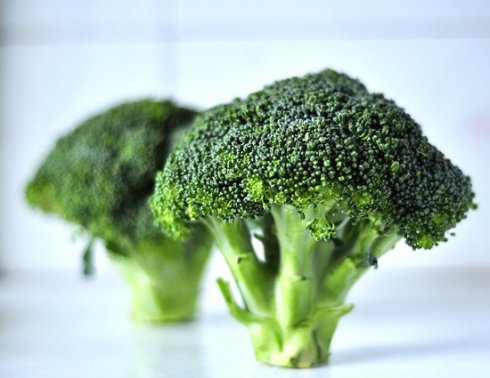
How to grow broccoli for high yield? To achieve high yields when growing broccoli, you can refer to the following methods:
Broccoli Cultivation Seasons
Broccoli can be cultivated in both spring and autumn. For spring cropping, seedlings are mostly raised in cold frames in mid-to-late January, with a seedling period of 50 to 60 days, transplanted to open fields in mid-to-late March, and harvesting begins in mid-to-late May; for autumn cropping, sowing and seedling raising take place in early-to-mid July, transplanting to open fields in early-to-mid August, and harvesting in mid-to-late October.
Broccoli Planting: Soil Preparation, Fertilization and Transplanting
Broccoli has strong growth vigor and a high fertilizer demand, so sufficient base fertilizer must be applied along with soil preparation; generally, apply 5000 kg of high-quality barnyard manure per mu, 500 to 1000 kg of decomposed dried manure, 30 to 40 kg of superphosphate, and 50 kg of plant ash. After spreading the base fertilizer, plow deeply and harrow finely, then level the soil and make flat beds 1.3 to 1.5 m wide. Transplant when the broccoli seedlings have grown 5 to 6 true leaves; generally plant 2 rows per bed, with a plant spacing of 30 to 40 cm, and a transplanting density of about 2500 plants per mu; early-maturing varieties can be planted somewhat more densely, preferably about 3000 plants per mu.
Broccoli Fertilizer and Water Management
Broccoli likes fertilizer and water, and timely topdressing and watering in stages are the key to high quality and high yield. Topdressing should mainly be nitrogen fertilizer; when entering the curd formation stage, appropriately increase the application of phosphorus and potassium fertilizers to promote rapid curd growth; broccoli's terminal curd and side curds are harvested multiple times, and after each harvest, topdressing should be done promptly to promote side curd growth. Broccoli has a high water demand, so water promptly during the rosette stage and curd formation stage to keep the soil moist; in rainy areas or seasons, drain promptly to prevent waterlogging and root rot.
Broccoli'sHarvesting
Broccoli is best harvested when the curd at the top of the plant is fully swollen and the flower buds have not yet opened; harvesting too late easily causes the curd to loosen and flower. When harvesting, cut off the curd together with about 10 cm of the stem below it. After the terminal curd is harvested, the axillary buds of the plant sprout and quickly grow side branches, and a curd, namely a side curd, forms at the top of the dry side branches; when the side curd grows to a certain size and the flower buds have not yet opened, it can be harvested again. In this way, generally 2 to 3 continuous harvests can be made.