Complete List of Common Edible Mushroom Species Names
There are an enormous number of mushroom species; within the known range, mushrooms comprise as many as 36,000 species, distributed all over the world, with forest leaf-litter areas being the most abundant. So which mushroom species are common? Let's take a look below.
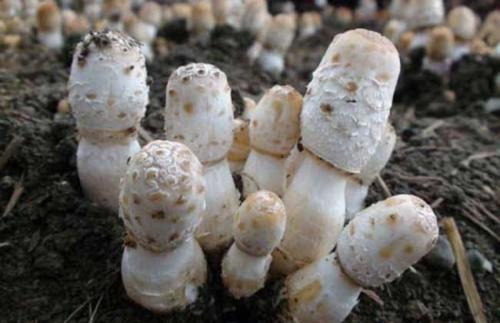
Chicken leg mushroom (shaggy ink cap): also known as shaggy mane, chicken leg mushroom, spiny-haired mushroom, etc. It gets its name because its shape resembles a chicken leg and its flesh texture resembles shredded chicken, though it has no chicken flavor. It is nutritious, delicious, and has an excellent mouthfeel; regular consumption helps boost appetite, aid digestion, and enhance human immunity.
Lion's mane mushroom (Hericium erinaceus): also known as monkey head fungus, lion's mane mushroom, hedgehog fungus, etc. Its flesh is tender and fresh, fragrant and tasty, and it is known as the “meat among vegetables.” It is distributed in North China, Northeast China, Central South China, as well as Sichuan, Yunnan, Gansu, Zhejiang and other places in China, and is harvested in summer and autumn.
Button mushroom (Agaricus bisporus): also known as white mushroom, mushroom, button mushroom, etc. This is a species consumed and cultivated in countries all over the world, known as the “world mushroom.” It can be sold fresh, canned, or salted, and its mycelium is also used as a raw material for pharmaceuticals.
Shiitake mushroom (Lentinula edodes): The shiitake is a fungus that grows on wood, also known as flower mushroom, fragrant mushroom, fragrant fungus, etc. It is the world's second-largest edible fungus and one of China's specialties, long known among the people as a “mountain delicacy.” It is delicious and nutritious, rich in B vitamins, iron, potassium, provitamin D (which converts to vitamin D after sun exposure), and more.
Oyster mushroom (Pleurotus ostreatus): The oyster mushroom is a fairly common gray edible mushroom, also known as oyster cap, rough-skinned oyster mushroom, oyster fungus, etc. It is a species in the family Pleurotaceae, order Agaricales, class Basidiomycetes. Every 100 grams of the dried product contains 20 to 23 grams of protein, and its amino acid composition is complete in variety, with very rich mineral content. It has the effects of dispelling wind and cold and relaxing muscles and stimulating circulation. The proteoglycans in oyster mushrooms strongly inhibit cancer cells and can enhance the body's immune function.
Enoki mushroom (Flammulina filiformis): Its scientific name is golden needle mushroom with hairy stem, also known as hairy-stemmed small fire mushroom, construction mushroom, intelligence mushroom, etc. It gets its name because its stem is slender like a golden needle vegetable, and it belongs to the genus Flammulina, family Tricholomataceae, order Agaricales. It has high medicinal and dietary value. It is widely distributed in nature, found in China, Japan, Russia, Europe, North America, Australia and other places. In China, it is suitable for enoki growth from Heilongjiang in the north to Yunnan in the south, and from Jiangsu in the east to Xinjiang in the west.
Tea tree mushroom (Agrocybe aegerita): also known as poplar mushroom, tea mushroom, willow pine mushroom, etc. Its cap is tender, its stem crisp, its flavor pure and fragrant, and it is delicious and tasty. It gets its name because it grows wild on the dead trunks of tea-oil trees. It is nutritious, high in protein, contains a variety of essential amino acids for the human body, and is rich in B vitamins and mineral elements such as potassium, sodium, calcium, magnesium, iron, and zinc. It has the effects of clearing heat, calming the liver, brightening the eyes, promoting urination, and strengthening the spleen.
King oyster mushroom (Pleurotus eryngii): It gets its name because it has the fragrance of almonds and a thick flesh with a texture like abalone. Its flesh is thick, its mouthfeel fresh and tender, its flavor delicate and fragrant, and it is nutritious. It has effects such as lowering blood lipids, lowering cholesterol, promoting gastrointestinal digestion, enhancing the body's immune capacity, and preventing cardiovascular disease.
Red mushroom (Russula vinosa): It is a natural green food, a treasure among fungi, with very high nutritional value. It contains protein, multiple vitamins, amino acids, and minerals such as calcium, as well as many nutrients essential to the human body. It has the effects of beautifying and caring for the skin, enriching the blood and refreshing the spirit, and nourishing yin and boosting yang, making it an indispensable nutritious food for postpartum women. In addition, red mushrooms also have detoxifying and nourishing effects.
Wine-cap stropharia (Stropharia rugosoannulata): It is one of the top ten mushrooms on the international mushroom trading market, also known as wrinkled ring stropharia, wrinkled stropharia, wine-red stropharia, etc. Its fruiting body is brightly colored, with a thick stem and plump cap; it tastes delicate and fragrant, with smooth, tender flesh and a crisp, refreshing stem. It is nutritious and has an excellent mouthfeel, rich in fairly high protein and various mineral elements and vitamins beneficial to the human body, and has the effect of treating or improving many human diseases. It can be called a full-nutrition health food that is fresh in color and delicious in taste, with the “meat among vegetables” quality.
Crab-flavor mushroom (Hypsizygus marmoreus): The crab-flavor mushroom is an excellent edible fungus of the northern temperate zone, also known as mottled jade mushroom, lotus-leaf lyophyllum, shimeji mushroom, etc. It contains abundant vitamins and 17 amino acids, among which the content of lysine and arginine is higher than in general mushrooms, helping adolescents improve intelligence and grow taller, fight cancer, and lower cholesterol. In particular, extracts of the fruiting body have multiple physiologically active components, among which fungal polysaccharides, purines, and adenosine can enhance immunity and promote antibody formation; antioxidant components can delay aging and beautify the skin, and more.
White jade mushroom:The white jade mushroom is a rare edible fungus, also known as snow-white mushroom. It is a fungus of the genus Tricholoma, family Tricholomataceae, order Agaricales. Its whole body is white and crystal clear, giving a completely new visual effect, and its mouthfeel is even more superior: the fruiting body is crisp, tender, fresh, and smooth, clean and sweet and tasty. It has effects such as pain relief, sedation, relieving cough and reducing phlegm, promoting bowel movements and detoxification, and lowering blood pressure.