Master key shiitake techniques to get more shiitake mushrooms in spring
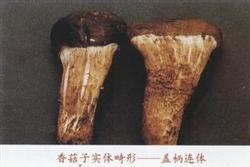
During the growth of shiitake mushroom fruiting bodies, "candle mushrooms" (with a stalk but no cap), "pinecone mushrooms" and "lychee mushrooms" (caps clumped together with no stalk or not opening) often appear. These are all malformations of shiitake mushrooms and belong to physiological diseases. There are several control methods: 1. Understand the fungal characteristics and prevent mistakes in introducing spawn: plant...
 Promote mushroom formation with temperature fluctuation: regulate the environmental temperature inside the shed to 15°C-28°C, uncover the plastic film covering at night, open the ventilation openings to increase air exchange and lower the temperature, and keep the relative humidity of the environment at 85%.
Cooling and moisture retention: according to the climate characteristics of most areas in our province, after entering March, the outside temperature begins to rise rapidly. When the temperature rises above 20°C, cooling measures should be taken. Increase the thickness of the covering outside the greenhouse, such as adding another layer of straw matting on top of one layer of straw matting, or covering the straw matting with a layer of wheat straw or corn stalks. When necessary, stretch a layer of shade netting 50 cm away from the straw matting. Keep the natural temperature inside the greenhouse below 25°C.
Replenishing water to the spawn bags: when the substrate moisture content of the spawn bags is 40%-60%, they can still produce mushrooms and grow normally. If the substrate moisture content is below 40%, mushroom buds are very difficult to form, and water needs to be replenished in time. There are the following 3 methods of water replenishment:
1. Water injector replenishment method. Make a water injector from a hollow metal tube, 25 cm long, with a hollow pointed cone, and drill more than 20 small water outlet holes on it. When injecting water, first make a water injection hole at one end of the spawn bag with a steel bar of the same specifications, remove the nozzle from an agricultural sprayer, replace it with the water injector needle, insert the water injector into the water injection hole of the spawn bag, and use the pressure of the sprayer to input water into the spawn bag. 2. Soaking replenishment method. Use a specially set soaking pool or an existing clean ditch or pool around the mushroom shed. Lay plastic film on the bottom of the ditch. According to the water loss of the spawn bags, use No. 8 iron wire to make several 15 cm deep holes at both ends of the spawn bags. Arrange the bags that have lost the most water on the bottom layer, the ordinary ones in the middle layer, and those that have lost little water on the upper layer. Then pour clean water into the pool, preferably enough to submerge the spawn bags. Press heavy objects such as wooden boards and stones on top to prevent the spawn bags from floating up. Soaking time is 2.5-3 hours, and the longest soaking time should not exceed 15 hours. 3. Sprinkling replenishment method. Tap the spawn bags that need water replenishment a few times with a plum-blossom nail board, and use a hand-pressed farm sprayer or electric sprayer to spray water directly onto the bag surface. In the first 1-2 days, spray with a small amount of water finely and frequently, 3-4 times a day. After the fungal film on the surface of the spawn bag is moist and the substrate has absorbed a certain amount of water, the amount of water sprayed can be increased, with coarse and frequent spraying, and water should also be sprayed into the air and onto the ground to accelerate water absorption. Generally, spray water for 3-4 days.
Casing soil for mushroom production: after the spawn bags have produced mushrooms naturally for two flushes, because the temperature inside the shed rises and the water in the culture material inside the bags decreases, the mushroom production of the spawn bags will be affected. The spawn bags can be covered with soil inside the greenhouse for mushroom production.
Harvest mushrooms at the right time: because the temperature gradually rises during this period and shiitake mushrooms grow rapidly, the growth of shiitake mushrooms must be observed every day, and they should be harvested in time before the caps of the shiitake mushrooms break the membrane (at six-tenths maturity). If necessary, harvest twice a day. After harvesting, sort them immediately, and package and transport them or refrigerate them in time.