Control Methods and Technical Key Points for Mushroom Brown Blotch Disease
A rare mushroom delicacy -- the brown mushroom, also known as Xiangkou mushroom, has a large cap and thick stem, with plump and fleshy mycelium. Its taste is more delicate and savory than the white mushroom, and its aroma is richer and more palatable than the shiitake mushroom. At the same time, it has extremely high nutritional, health-care and medicinal value. It has now become a high-grade edible fungus popular in Europe, America and developed countries or regions around the world, and has formed its...
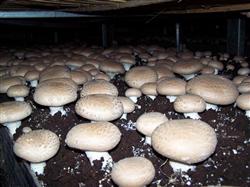 Mushroom brown blotch disease, also known as dry bubble disease, often occurs on mushroom beds and causes great damage.
1. Symptoms: At onset, brown spots mostly form on the stipe, cap and gills, with depressions appearing. The mushrooms lose their firmness, and in severe cases the mushrooms rot. Diseased young mushrooms have variable morphology, with the cap margin serrated, or the stipe curved, some shaped like garlic bulbs, and the stipe thicker than the cap. When large mushrooms are affected, localized brown spots mostly appear. Diseased mushrooms later become dry and leathery, and a gray mold layer forms on the affected parts. The difference between brown blotch disease and white rot disease is that diseased mushrooms rot more slowly, do not exude brown slime, and have no foul odor. In the early stage, the symptoms of white rot disease and brown blotch disease are similar.
2. Pathogen: The primary infection source usually comes from the casing soil. The pathogen spores on infected mushrooms spread and infect through airflow. During manual operations, contact of hands and tools with diseased mushrooms can also spread the infection. This disease generally infects first from broken parts of the stipe and then expands and spreads.
3. Environmental factors of disease occurrence: The degree of disease occurrence is closely related to the temperature and humidity present. Factors such as excessively high mushroom bed temperature, poor ventilation, dampness, and the piling of contaminated waste material on the mushroom bed can all lead to the occurrence of the disease.