What should be noted when cultivating white king oyster mushrooms? Detailed explanation of key cultivation techniques
What should be noted during the cultivation of white king oyster mushrooms? White king oyster mushrooms, due to their unique edible and medicinal value, have seen a year-on-year increase in spawn input in northern China in recent years, and have shown a promising prospect of both good production and sales. They are one of the preferred mushroom types for novice mushroom growers to develop edible fungus production. At present, in white king oyster mushroom production there exist...
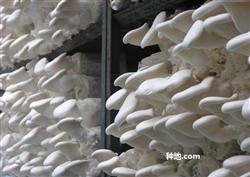
What should be noted during the cultivation of white king oyster mushrooms?
White king oyster mushrooms, due to their unique edible and medicinal value, have seen a year-on-year increase in spawn input in northern China in recent years, and have shown a promising prospect of both good production and sales. They are one of the preferred mushroom types for novice mushroom growers to develop edible fungus production.
At present, the prominent problems in white king oyster mushroom production are high contamination rates during the spawn-running and fruiting stages, slow spawn running, low fruiting rate, and poor mushroom shape. In response, we here provide solutions combined with an introduction to the key production techniques.
Key point one: spawn preparation
Expert advice: Preparing spawn is the first step in edible fungus production and also a very critical step. Therefore, it is recommended that mushroom growers preferably purchase stock spawn from a regular edible fungus research institute or scientific research unit. Never buy from small vendors without a business license or research capability, so as to avoid being deceived and suffering losses. When purchasing test-tube stock spawn, pay attention to identifying the quality of the spawn and carefully check the growth of the mycelium in the test tube to avoid buying aged spawn. Generally speaking, healthy stock spawn shows white, thick mycelium with neat tips. If the mycelium is dry and scattered or the culture medium has shrunk, and there is yellow liquid at the bottom of the bottle, it indicates that the mycelium has aged; do not purchase it.
Grower experience: On November 29, Li Benliang, an expert mushroom grower from Jujia Village, Tianliu Town, Shouguang City, introduced his spawn preparation experience to reporters. The production facilities for white king oyster mushrooms in our area are mostly the same as those for enoki mushroom production, generally large arch sheds (the shed surface covered with plastic film + wheat straw + non-woven fabric). Spawn preparation generally starts in mid-June. The common spawn used for cultivation is mostly purchased from the Shouguang City Edible Fungus Research Institute, and the common variety is Tianshan No. 2. Spawn preparation is divided into two stages: first, from stock spawn (test-tube first-level spawn) to mother spawn (glass bottle or beer bottle second-level spawn); second, from mother spawn to cultivation spawn (production bag third-level spawn). The time required is about 32 days.
First stage: stock spawn to mother spawn.
1. Material preparation: test-tube stock spawn, beer bottles (prepare according to the amount of 1 test-tube spawn inoculating 10 beer bottles), corn kernels (prepare according to the amount of 5-6 liang per beer bottle), etc.
2. Operation process: The first step is to process the materials. Because corn kernels have a thick seed coat and are not easy to soak through, they need to be boiled before use. Note: When boiling corn kernels, control the heat well; the corn kernels should neither "bloom" nor be cooked outside but raw inside. The second step: when the bottle is filled with materials to about 4/5 of the bottle, seal it with a cotton plug and wrap the outside with kraft paper to prevent the cotton plug from being soaked by steam during high-temperature sterilization. The third step: place the bottles on a steamer for high-temperature sterilization for about 12 hours. The fourth step: after sterilization is completed, wait until the bottle temperature drops to about 30°C, then transfer them to a sterile operation box for inoculation, that is, use an inoculation needle to pick up a small amount of mycelium from the test tube and quickly put it into the beer bottle, also sealing with a cotton plug and wrapping the outside with kraft paper. Finally, place the inoculated beer bottles indoors at about 25°C to promote mycelial growth. After the mother spawn fully covers the bottle, it must immediately be expanded into cultivation spawn; otherwise, once the nutrients are exhausted, the mycelium will age and may even die.
Second stage: mother spawn to cultivation spawn.
Generally, the production materials are mostly mixed in the ratio of cottonseed hulls (85%), wheat bran (10%), cornmeal (5%), gypsum or lime (5%), inorganic nutrients (5%). The ratio of material to water is 1:1.4-1.5 (after mixing, it should form a ball when squeezed by hand and scatter when the hand is released). Use low-pressure polyethylene plastic bags 18 cm wide x 35 cm long for bagging. After tying, perform atmospheric steam sterilization (because white king oyster mushrooms require cooked-material cultivation). Generally speaking, every 10,000 jin of material requires continuous sterilization for more than 72 hours. After the fungus bags are sterilized, they can be inoculated once cooled to room temperature. Inoculation is carried out in a sterile box, using two-end inoculation. Each bottle of mother spawn can inoculate 30-40 production bags. After inoculation, the production bags can be moved into the mushroom shed for spawn-running culture and stacked in 5-7 layers.
Key point two: spawn running
Expert advice: According to teacher Sun Qingwen, director of the Shouguang City Edible Fungus Research Institute, spawn running is a very important link in white king oyster mushroom cultivation and production. The quality of mycelial growth directly affects the yield of white king oyster mushrooms. If the mycelium does not grow ideally, no matter how well the later fruiting management is done, the yield will not be very high.
The ideal fungus bag standard for white king oyster mushroom spawn running is: during spawn running, the mycelium is dense and white, and the mycelial front is neat and uniform. After spawn running is completed, the fungus bag is hard and firm, and makes a "peng peng" sound when struck forcefully. If broken open, a large amount of white mycelium can be seen. This kind of fungus bag not only has high yield when fruiting, but is also less likely to be contaminated by miscellaneous bacteria in the later fruiting stage.
Grower experience: According to Li Benliang, the time required for the spawn-running stage of white king oyster mushrooms is more than double that of other mushroom species (oyster mushrooms, enoki mushrooms), generally 75-85 days. This especially requires regulating the mushroom shed environment well during the spawn-running period to facilitate normal spawn running.
Temperature: The temperature requirement for white king oyster mushroom spawn running is that the temperature inside the fungus bag should be 20-24°C, and the upper limit of the air temperature in the mushroom shed is 30°C. If the shed temperature is too high, fungus bags are prone to "bag burning." In most areas of the north, mid-to-late August is exactly the spawn-running stage for white king oyster mushrooms, which requires mushroom growers to effectively cool the mushroom shed. Methods: First, except during rain and strong wind, the mushroom shed should always maintain ventilation day and night. If it is a large shed, ventilation openings should be set on the back wall (preferably 30 cm above the ground). Second, cover the shed surface with a layer of shade net for cooling.
Humidity: The humidity requirement for white king oyster mushroom spawn running should be controlled below 70% as much as possible. If the humidity in the shed is too high, the fungus bags are easily infected by miscellaneous bacteria. Humidity control method: spread lime on the ground to absorb water vapor.
Air: Because white king oyster mushroom mycelial growth requires sufficient oxygen, and the greater the growth amount, the greater the oxygen demand, during the spawn-running process of white king oyster mushrooms, necessary ventilation and air exchange must be carried out in combination with temperature and humidity management. The purpose is to improve the air conditions in the mushroom shed and increase the oxygen content in the air. In addition to ventilation and air exchange in the mushroom shed, the supply of oxygen inside the fungus bag must also be sufficient and timely; otherwise, the material in the bag is prone to anaerobic fermentation, affecting mycelial growth. Method: When spawn running reaches half a month to 20 days, it is very necessary to turn the fungus bags once, that is, move the lower fungus bags to the upper part. During this process, the oxygen content in the fungus bags can be increased. The method of "punching holes to increase oxygen" is not recommended, because this method easily increases the chance of white king oyster mushroom infection by miscellaneous bacteria.
Key point three: post-ripening
Expert advice: The difference between white king oyster mushroom production and oyster mushroom and enoki mushroom production is that after the mycelium fully covers the fungus bag, it must undergo a period of post-ripening culture to reach physiological maturity; otherwise, even if fruiting conditions are created, it cannot fruit normally.
The management method for the physiological maturity period of white king oyster mushrooms is basically the same as that for the spawn-running period. The bag temperature is 20-24°C, and the physiological maturity period is about 30 days. If the temperature is below 20°C, the lower the temperature, the longer the physiological maturity time will be. The upper limit of the fungus bag temperature during the physiological maturity period is 26°C. Although exceeding 26°C can shorten the physiological maturity period, the vitality of the white king oyster mushroom mycelium declines and the yield decreases. The physiological maturity process of the fungus bag is essentially a process in which the mycelium metabolizes and accumulates nutrients. Too low or too high a temperature will affect the speed of its metabolism, thereby prolonging the physiological maturity time of the fungus bag.
After the post-ripening of white king oyster mushrooms is completed, the fungus bag is firm, the mycelium is dense, and the whole bag turns white. After that, it can enter the mushroom-inducing stage.
Key point four: mushroom induction
Grower experience: According to Li Benliang, the management principle for inducing fruiting in white king oyster mushrooms is to artificially create conditions suitable for the formation of white king oyster mushroom primordia, so that they fruit neatly and with a high fruiting rate.
The key to inducing fruiting in white king oyster mushrooms lies in grasping the "stimulation" measures of temperature, humidity, light, air, etc.:
First, temperature difference stimulation. The principle of temperature regulation for inducing fruiting in white king oyster mushrooms is to maintain a day-night temperature difference of about 10°C, with the minimum not lower than 5°C and the maximum not higher than 18°C, and the number of days of temperature difference and low-temperature stimulation should be more than 10 days. Specific measures: during the day, appropriately uncover straw mats and other coverings, and keep the room temperature at 15-18°C; at night, ventilate the shed to keep the minimum temperature not lower than 5°C.
Second, humidity stimulation. During the mushroom induction period of white king oyster mushrooms, the relative air humidity should be maintained at 85%-95%. For white king oyster mushrooms cultivated in mushroom sheds, reaching this humidity is relatively easy. Method one: irrigate the ground. Method two: humidify the space with a sprayer.
Third, ventilation and light stimulation: When inducing fruiting in white king oyster mushrooms, under the condition of ensuring the temperature and humidity required for mushroom induction, ventilate as much and as often as possible. Also maintain scattered light in the shed (shade nets can be used to achieve scattered light conditions).
By maintaining the above mushroom induction methods for 15-20 days or until the effective accumulated temperature reaches 600°C, cylindrical white king oyster mushroom primordia can be seen forming at both ends of the fungus bag. At this point, the mushroom induction stage ends and the fruiting management stage begins.
Key point five: fruiting
Expert advice: During the fruiting stage of white king oyster mushrooms, the main focus is still regulating the environment, but the environmental conditions required at this stage differ from those of the spawn-running and mushroom induction stages.
Temperature: When white king oyster mushrooms enter the fruiting management stage, the temperature should be maintained at 8-18°C, and the day-night temperature difference should be minimized as much as possible to maintain a constant temperature. If the temperature is too low, the fruiting body develops slowly; if the temperature is too high, although the fruiting body grows quickly, the cap is thin or deformed mushrooms increase, and the commercial value is relatively low. It should be noted that white king oyster mushrooms are relatively sensitive to temperature. If the bag temperature exceeds 25°C, the primordia may die, and afterward it will be difficult to induce fruiting again.
Humidity: During the fruiting stage of white king oyster mushrooms, the humidity should be maintained at 80%-90%, but do not spray water directly onto the mushroom bodies. At the same time, prevent water droplets on the fungus bags or plastic sheeting from dripping onto the mushroom bodies, so as to avoid forming stains and reducing commercial value. Note: Before harvesting, the air humidity can be appropriately reduced to keep the mushroom body surface white.
Wind and light: Maintaining good ventilation conditions in the mushroom shed is the key to high quality and high yield. If ventilation in the greenhouse is poor, the white king oyster mushroom fruiting bodies can grow into an inverted horseshoe shape, with a thick and long stipe and a small cap; such mushroom bodies sell at a low price. Therefore, in white king oyster mushroom production, under the premise of coordinating temperature and humidity well, maintain good ventilation indoors as much as possible. As mentioned above, the purpose of ventilation is to reduce the carbon dioxide concentration in the mushroom shed and ensure normal cap development. Because carbon dioxide is relatively heavy, it often accumulates in the lower part of the shed. Therefore, in production, the position of the back wall ventilation openings should be as low as possible (preferably 30 cm from the ground). At the same time, the plastic film on both sides of the arch shed should be lifted about 30 cm, so that air convection can be formed in the shed. In addition, producing high-quality white king oyster mushrooms also requires sufficient scattered light, preferably at a level where reading a newspaper in the shed is not difficult. However, direct sunlight must not shine on the fungus bags or mushroom bodies. If the light is too strong, the cap is prone to discoloration, reducing its quality.
Grower experience: Mushroom grower Li Benliang said that, just like thinning flowers and fruits on vegetables, in order to reduce nutrient consumption and increase premium mushrooms, the measure of "bud thinning" should also be adopted.
Bud thinning means that when the primordia of white king oyster mushroom fungus bags grow to the size of a peanut kernel, excess mushroom buds should be thinned out, leaving 1 robust primordium at each end of the fungus bag. Because bud thinning requires a large amount of labor, mushroom growers are advised to prepare in advance so as not to miss the best time for bud thinning.
Bud thinning principles: leave one young mushroom at each end of the fungus bag; keep large mushroom buds and remove small ones; keep robust buds and remove buds with weaker growth vigor; keep buds with large caps and remove buds with long stipes; keep buds with a round and neat mushroom shape and remove long strip-shaped buds; keep buds without spots or wounds; keep buds growing directly on the material surface and remove buds formed on the spawn block.
When thinning buds, note: the tool used for bud thinning (made from bicycle spokes) should be disinfected with 75% alcohol once after thinning each fungus bag, so as to avoid cross-infection of bacterial diseases; the bud thinning tool must not injure the retained young mushrooms or the mycelium at the base of the young mushrooms; bud thinning work should be carried out at the right time, not too early or too late; after bud thinning of each bag, cut off the excess plastic at both ends of the fungus bag and place it back in the original position.
In addition, the first flush takes about 10 days from bud induction to harvest, and the first flush generally accounts for 60% of the total yield. After the first flush is harvested, a water replenisher can be used to supplement the material bags with fertilizer water (the nutrient solution generally includes white sugar, urea, potassium dihydrogen phosphate, etc.) to promote the second flush.
Key point six: disease and pest prevention
1. Common deformities in white king oyster mushroom production:
Small cap and long stipe: The white king oyster mushroom stipe is slender and the cap is too small. This is a physiological disease caused by relatively high temperature in the mushroom shed and poor ventilation leading to excessively high carbon dioxide concentration. Therefore, it is recommended to improve ventilation conditions in the shed.
Dead mushrooms: After the bag is opened, young white king oyster mushrooms shrink, turn yellow, and finally die. Excessive changes in temperature and humidity before opening cause the young mushrooms to be unable to adapt, resulting in this situation. Therefore, extreme high and low temperatures should be avoided (shed temperature 24°C, 4°C).
Cracking: Can occur on the cap and stipe, affecting the yield and appearance of white king oyster mushrooms. When the humidity in the mushroom shed is below 70%, the temperature difference is too large, and ventilation is too strong, cracking is likely to occur. Therefore, maintain appropriate humidity and ventilation conditions, and minimize the day-night temperature difference in the mushroom house to avoid this situation.
2. Common diseases and pests of white king oyster mushrooms:
Green mold disease: Keep the spawn-running site clean, hygienic, and well ventilated. When green mold occurs in spots in fungus bags, inject 5% lime clear liquid into the mold spots and surrounding culture material to inhibit the growth of green mold.
Bacterial rot: Strictly control air humidity (not exceeding 90%), maintain appropriate ventilation, and ensure water droplets do not directly contact the mushroom bodies
Mushroom gnats: Hang 60-mesh insect-proof nets at the ventilation openings of the mushroom shed to prevent adult mushroom gnats from flying in. Yellow sticky boards can also be hung in the mushroom shed for trapping and killing.
Click to get more white king oyster mushroom cultivation techniques
Click to get more edible fungus cultivation techniques