What should be paid attention to during oyster mushroom cultivation?
What should be paid attention to in oyster mushroom cultivation? Please give an introduction. In oyster mushroom cultivation, attention should be paid to the following 7 points: First note: air humidity too high. The relative air humidity should be kept at around 70% during the mycelium growth stage, and around 90% during the fruiting stage. If it exceeds 95%, with poor ventilation, it is prone to harmful bacteria and pests, and the mushroom caps are also prone to discoloration and rot....
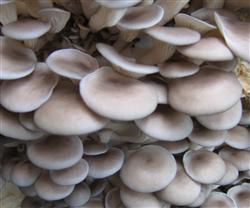
What should be paid attention to in oyster mushroom cultivation? Please give an introduction
In oyster mushroom cultivation, attention should be paid to the following 7 points:
First note: air humidity too high.
The relative air humidity should be kept at around 70% during the mycelium growth stage, and around 90% during the fruiting stage. If it exceeds 95%, with poor ventilation, it is prone to harmful bacteria and pests, and the mushroom caps are also prone to discoloration and rot.
Second note: improper water use.
After fruiting, if too much water is sprayed or poured heavily, water-soaked spots will form on the mushroom bodies, easily causing them to rot and turn black. If the substrate moisture is too low, it will cause the mushroom caps to shrivel, crack, or even cause young mushrooms to die. Adopting the method of lightly spraying a moderate amount of water can make up for the lack of moisture in the substrate.
Third note: direct sunlight
Mycelium growth does not need sunlight, while the fruiting body stage only needs light of about the illuminance for normal reading. If there is direct sunlight, the surface of the mushroom bodies can dry out and turn yellow; if too weak, thin-stemmed mushrooms with missing caps will form.
Fourth note: poor ventilation.
If air is not exchanged for a long time during the fruiting stage, once there is a lack of oxygen, fruiting bodies cannot form or deformed mushrooms will form. If ventilation is inappropriate and the mushroom bodies are exposed to direct dry cold wind or dry hot wind, a large number of dead mushrooms will also appear, so ventilation should be gentle and steady.
Fifth note: not harvesting in time.
Harvesting too early results in poor development of the mushroom bodies and affects yield; harvesting too late not only reduces quality and weight, but the spores ejected will also affect the growth of the next flush of mushrooms. Generally, harvesting when the mushroom caps are fully expanded and the spores have not yet been ejected is more appropriate.
Sixth note: unclean cultivation environment.
Piling up miscellaneous items in the mushroom house and mushroom yard, incomplete disinfection treatment, and casually discarding contaminated materials lead to failure in mushroom cultivation.
Seventh note: temperature too high in the later stage.
Oyster mushrooms belong to the temperature-changing fruiting mushroom category. The fruiting body development temperature is 5-20°C. After the mycelium matures, if a large temperature difference cultivation is adopted (day-night temperature difference of about 10°C), the formation of fruiting bodies can be accelerated. If the temperature is too high in the later stage, it is difficult to form mushroom buds, or the formed mushroom buds die in large numbers.
Click to get more oyster mushroom cultivation techniques
Click to get more edible mushroom cultivation techniques