How to carry out pollution-free control of pests and diseases in white beech mushroom (Pleurotus nebrodensis)?
How to carry out pollution-free control of pests and diseases in white beech mushroom? Please give an introduction to the control methods. For pollution-free control of pests and diseases in white beech mushroom, start with comprehensive control work. Pest and disease control in white beech mushroom should implement the plant protection policy of "prevention first, comprehensive control." Specifically, the quality of the spawn should be strictly controlled, and varieties with high resistance and multiple resistance should be selected; do a good job of...
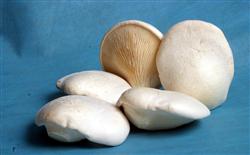
How to carry out pollution-free control of pests and diseases in white beech mushroom? Please give an introduction to the control methods
For pollution-free control of pests and diseases in white beech mushroom, start with comprehensive control work. Pest and disease control in white beech mushroom should implement the plant protection policy of "prevention first, comprehensive control." Specifically, the quality of the spawn should be strictly controlled, and varieties with high resistance and multiple resistance should be selected; do a good job of environmental sanitation in the mushroom yard, sterilize before use, wash and disinfect tools promptly, and waste material should be transported far away from the mushroom house; the substrate should be fresh, free of mold, and thoroughly sterilized to create suitable growing environment conditions; the ventilation openings of the mushroom house should be sealed with insect-proof nets; for fungus gnat pests, use electric lights and sticky insect boards for trapping and killing.
Mycelium cultivation stage: if the substrate becomes contaminated by foreign fungi in the early stage of mycelium cultivation, it should be picked out and broken up, mixed into new material, and re-sterilized and re-inoculated; if serious foreign fungal contamination occurs in the substrate in the middle stage, it should be taken far away and burned; if localized foreign fungal contamination occurs at the bottom of the substrate in the later stage, it may continue to be retained for fruiting; if the cotton plug of the cultivation bag becomes contaminated with red Neurospora, it should promptly be covered with a wet towel, moved out of the cultivation room, and burned; remove infected mushroom beds or mushroom blocks, take them outdoors for deep burial, and spray 50% carbendazim wettable powder 600 times dilution on the infected area and its surroundings.
Fruiting stage: during the fruiting stage, localized foreign fungal contamination appears on the cultivation bags. Lime can be smeared on the infected parts so that they continue to fruit; if the foreign fungal contamination of the cultivation bags is relatively serious, they should be taken out and burned to avoid affecting other cultivation bags; when mushroom flies are found, ventilation of the mushroom house should be strengthened, the humidity of the mushroom house and substrate should be reduced, and if conditions permit, insect-proof nets should be installed on doors and windows, and black light lamps should be used inside the mushroom house for trapping and killing. During the cultivation period, no chemical agents may be sprayed on the mushroom bodies.
Click to get more white beech mushroom cultivation techniques
Click to get more edible mushroom cultivation techniques