How to prevent straw mushroom death? A detailed guide to practical methods
How to prevent straw mushroom death? Here is an introduction. To prevent straw mushroom death, you can refer to the following methods for prevention and control: 1. Poor ventilation. Straw mushroom is a high-temperature aerobic fungus, and its growth and development require sufficient oxygen. During cultivation, in order to raise the compost temperature, the plastic film is sometimes left in place for too long, causing excessive carbon dioxide in the compost pile and leading to oxygen deficiency. The small mushrooms, due to poor ventilation and poor gas exchange, find it difficult to grow normally and become wilted.
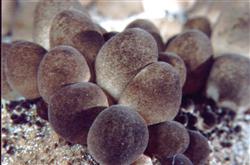
How to prevent straw mushroom death? Here is an introduction
To prevent straw mushroom death, you can refer to the following methods for prevention and control:
1. Poor ventilation. Straw mushroom is a high-temperature aerobic fungus, and its growth and development require sufficient oxygen. During cultivation, in order to raise the compost temperature, the plastic film is sometimes left in place for too long, causing excessive carbon dioxide in the compost pile and leading to oxygen deficiency. The small mushrooms, due to poor ventilation and poor gas exchange, find it difficult to grow normally and become wilted. Within 1-4 days after spawning, pay attention to ventilating for half an hour every day. As the amount of mycelium increases and pinhead mushrooms appear, the ventilation volume should be appropriately increased.
2. Lack of water. The growth of straw mushroom requires a large amount of water. If there is insufficient water when building the pile and spawning, or if water is not replenished in time after harvesting mushrooms; if the straw covering is too thin and has poor moisture retention, all of these will cause the small mushrooms to wilt. After spawning, before the mycelium grows fully and forms pinhead mushrooms, if you feel the water is insufficient, you can give one heavy watering; after the first flush of mushrooms ends, replenish the water sufficiently. On sunny days, spray water on the straw covering to prevent water in the compost from evaporating.
3. Sudden temperature changes. Straw mushroom mycelium growth and fruiting body development have different temperature requirements, and the general temperature for mushroom formation is around 30°C. However, sustained high temperatures in midsummer can cause small mushrooms to die in batches. Therefore, in the intense heat of midsummer, choose a shady site for pile composting and cultivation, cover the compost with a straw covering and spray more water, and a shed must be set up above the pile for shading.
4. The environment is too acidic. Straw mushroom mycelium is suitable for growing in a slightly alkaline environment. When the pH is below 6, although buds can form, it is difficult for them to grow into mushrooms. After harvesting the first flush of mushrooms, spray 1% lime water or 5% plant ash water to keep the pH of the compost pile at around pH 8.
5. Unsuitable water temperature. Straw mushroom has certain requirements for water temperature. If you spray well water at around 20°C or spray surface water that has been directly exposed to sunlight and reached above 40°C, by the next day all the small mushrooms will wilt and die. Watering should be done in the morning and evening, and a water temperature of around 30°C is best.
6. Contamination by miscellaneous bacteria and pest outbreaks. Using moldy rice straw and other raw materials as the culture substrate, or cultivating in an unclean site, will lead to massive outbreaks of pests. Especially when straw mushroom is cultivated with cottonseed hulls, after mites appear, the mycelium in the compost will quickly disappear, causing all the young mushrooms on the bed surface to die. Adding 3% tea seed cake powder or 0.2% trichlorfon solution into the straw pile can achieve a pest control effect. Straw mushroom is very sensitive to pesticides. When mushroom buds appear, pesticides must absolutely not be used.
Click to get more straw mushroom cultivation techniques
Click to get more edible mushroom cultivation techniques