What to Do About Weed Mold Contamination in Tea Tree Mushrooms? A Detailed Guide to Cultivation Prevention and Control Methods
What to do about weed mold contamination in tea tree mushrooms? What methods can prevent and control it? Causes of weed mold contamination in tea tree mushrooms: The contamination rate of weed molds in tea tree mushroom (Agrocybe chaxingu) bags is higher than in other mushrooms. The main reason is the relatively large cultivation volume; generally, a cultivation household makes no fewer than 5,000 bags at a time, with some making 10,000 bags, resulting in a heavy workload, and technical failures occur in links such as mixing substrate, bagging, sterilization, and inoculation.
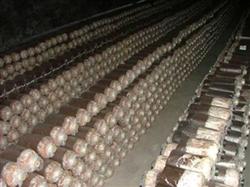 What to Do About Weed Mold Contamination in Tea Tree Mushrooms? What Methods Can Prevent and Control It
Causes of weed mold contamination in tea tree mushrooms:
The contamination rate of weed molds in tea tree mushroom (Agrocybe chaxingu) bags is higher than in other mushrooms. The main reason is the relatively large cultivation volume; generally, a cultivation household makes no fewer than 5,000 bags at a time, with some making 10,000 bags, resulting in a heavy workload, and technical failures occur in links such as mixing substrate, bagging, sterilization, inoculation, and spawn running culture.
In particular, when contaminated bags in old mushroom-growing areas are not handled properly, the spore index of weed molds in the space keeps rising, and the stress resistance of the weed molds also becomes stronger and stronger. Common weed molds are mainly competitive molds such as Trichoderma viride, Neurospora, Penicillium, and Monascus. Trichoderma viride is especially harmful; once contamination occurs, it causes the mushroom bags to be discarded.
Prevention and control methods for weed mold contamination in tea tree mushrooms:
1. Add water to cottonseed hulls 24 hours in advance, pile them up, and ferment them;
2. After adding wheat bran, the time from mixing the substrate and bagging to placing them in the sterilizer must not exceed 6 hours, to prevent the substrate from turning sour;
3. Control the sterilization temperature at 100°C and hold for 24 hours;
4. Prevent the bags from being punctured during handling;
5. Carry out inoculation on clear days at night, with strict aseptic operation;
6. During spawn running culture, pay attention to temperature control, moisture prevention, ventilation, and light avoidance;
7. Turn and inspect the piles on schedule, and promptly handle any weed mold contamination found.
8. When mite damage occurs, spray with 73% propargite emulsifiable concentrate at a 2000-3000 times dilution for control.
Click to get more tea tree mushroom cultivation techniques
Click to get more edible mushroom cultivation techniques