How to grow celtuce in winter? Master these techniques for easy high yields
11. Variety selection.Local farm varieties such as Suotouzhong and Yusuo1No. etc.
22. Cultivate strong seedlings.9Late [month]10Sow at the beginning of the month, with a seeding rate per mu of0.4kgor so,According to the seedling-to-plant ratio1:10Leave enough. Use the appropriate pesticides to control aphids and tobacco whitefly. Before transplanting, make sure the seedlings go to the field “with fertilizer, with pesticide, with soil”.
33. Apply sufficient base fertilizer.Before plowing, apply decomposed organic fertilizer per mu2000~2500kg, and when preparing the land, generally apply compound fertilizer per mu (15-15-15)30kg。
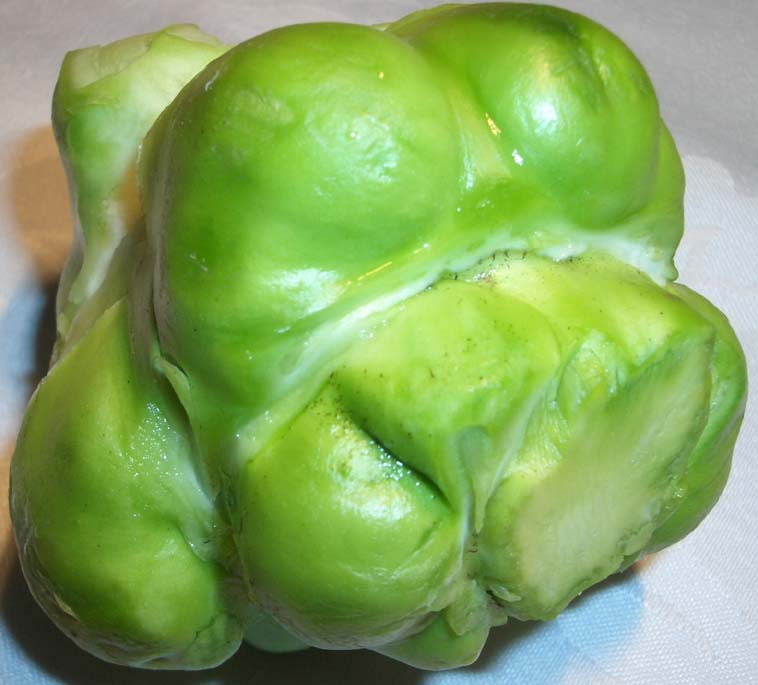
44. Reasonable close planting.Generally11in the first and middle ten days of the month, when the seedling age is35days or so, they can be transplanted. In the coastal plains, plant per mu2about ten thousand plants; in the plain rice areas, plant per mu1~1.5ten thousand plants.
55. Reasonable fertilization.On the basis of applying sufficient base fertilizer, topdressing is generally done four times. Seedling fertilizer is applied after planting or after the seedlings recover, using urea per mu4~5kg;1In late [month], apply ammonium bicarbonate per mu25kgplus superphosphate20kgplus potassium chloride5kg;2In late [month], apply heavy fertilizer, using urea per mu25kgplus potassium chloride12.5kg, and one week later, apply an appropriate supplementary topdressing according to the field growth condition to promote balanced growth.
66. Water management.In winter and spring, clean ditches and channels in time to prevent water accumulation in the field, reduce field humidity, and prevent root waterlogging damage and disease outbreaks. If long-term drought occurs after planting, methods such as furrow irrigation and watering can be used for drought resistance to promote seedling recovery.
77. Pest, disease and weed control.Mainly control viral disease, black spot, white rust, aphids, etc. Pesticides can include ningnanmycin, chlorothalonil, dinotefuran, acetamiprid, etc. Generally before transplanting1~3days, use pesticides such as alachlor and s-metolachlor to control weeds.
88. Timely harvest.Generally4Harvesting begins at the beginning of the month,4month15Ends around the day of the month.