Detailed Explanation of the Key Technical Points for Pollution-Free Tea Cultivation
In recent years, the international trade market has raised its quality requirements for Chinese tea, and resolving pesticide residues is an urgent issue. To produce pollution-free tea and ensure a supply of high-quality organic food to the market, the following five technical measures must be taken:
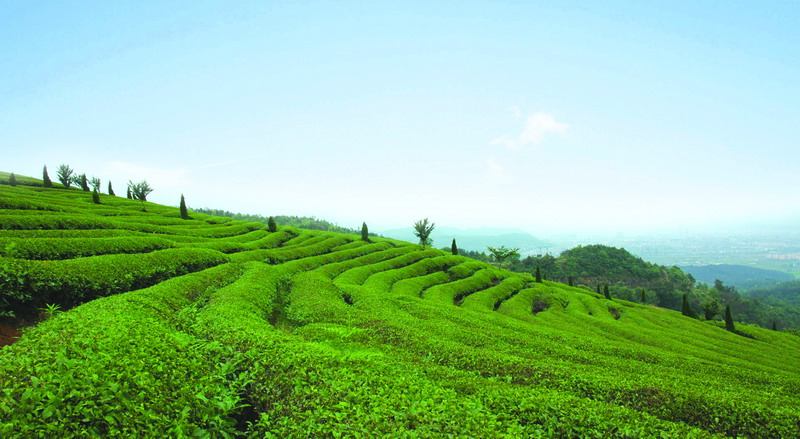
1.Strengthen tea garden management
(1) In tea gardens, the application of organic fertilizer is advocated. Apply a base fertilizer once in winter, a bud-promoting fertilizer once before the spring tea, and a relay fertilizer promptly after the spring tea, to prevent nutrient deficiency in the tea plants from affecting the quality of the summer and autumn tea.
(2) Emphasize timely intertillage and weeding, in order to loosen the soil, clean the tea garden, promote the activity of aerobic bacteria - microorganisms, and decompose humus content, thereby helping the tea plants absorb available nutrients, promoting healthy and vigorous growth of the tea plants, enhancing their stress resistance, and effectively preventing the occurrence of plant diseases and insect pests.
(3) Make use of the natural conditions of abundant brushwood and grass in the marginal areas of tea regions. Before the spring tea, cut once the relatively tender brushwood and grass, and spread them over the tea bushes or between the tea rows. This can both avoid the overgrowth of weeds and reduce water evaporation from the soil, and has the effect of preventing autumn drought. After the tender grass rots, it further improves the soil's aggregate structure and increases the fertility of the tea garden.
2.Do not use pesticides to spray and kill pests,Advocate protecting natural enemies - beneficial insects, to achieve the goal of controlling insects with insects. In surveys in tea regions, tea farmers have repeatedly reported that spraying pesticides kills both harmful and beneficial insects indiscriminately, and the results are not ideal either. What is worrying is that the refined finished tea still contains pesticide residues to varying degrees. This point should be taken very seriously.
3.Chemical fertilizer application,In countries with relatively advanced science, there are strict management systems, because excessive application of chemical fertilizers can cause soil compaction and destroy the soil's aggregate structure. This to a certain extent affects the normal growth and development of tea plants, and the quality of tea leaves is also inferior as a result. Tea farmers who heavily apply chemical fertilizers are hoped to switch to farmyard organic fertilizers, to ensure the improvement of organic tea quality.
4.Optimize the ecological environment.Around the tea garden, attention should be paid to the protection of the ecological environment, especially protecting the windbreak forest belts on the northwest side of high-mountain tea gardens, and the beneficial birds and animals in the forests, creating a good environment for tea production from different angles.
5.Strictly follow the technical specifications of different tea types,for picking and processing. In particular, the mechanical equipment of the primary and refining factories, as well as the sites for stacking raw materials such as green leaves, must be clean and hygienic, to prevent secondary contamination of the factory products, so that the finished organic tea reaches the standards of excellent color, aroma and taste, and wins favorable comments from the vast number of consumers for Chinese tea.