Key Points for Timely Harvesting and Soil, Fertilizer, and Water Management of Mid-season Apples
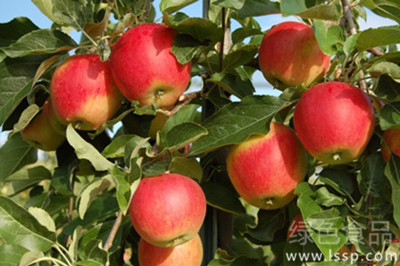
At present, mid-season apple varieties are ripening one after another, and tree growth has entered the late stage. The key management points for this period are:
1. Timely harvesting of mid-season varieties. Timely harvesting is an important condition for ensuring apple quality and storability. Delicious (Red Delicious) strain varieties should be harvested about 145 days after petal fall, that is, in early September, when the fruit surface is glossy and fully colored. Golden Delicious should be harvested about 155 days after petal fall, that is, in mid-to-late September, when the background color of the fruit surface is yellow-green. Picking is generally carried out in the order of first the lower part of the canopy and then the upper part, first the outer part of the canopy and then the inner part, taking care to protect the fruiting branches, prevent stepping on and damaging fruit branches and bumping and damaging flower buds; the fruit must be intact and undamaged, the fruit stalk should not be removed, and the fruit should be handled gently to reduce bruising and compression injuries.
2. Soil, fertilizer, and water management. Orchard intertillage and soil loosening should be strengthened to keep the soil loose and well aerated, always creating a good soil environment for root growth and development. Base fertilizer should be applied promptly after the harvest of mid-season varieties. The base fertilizer can be partially utilized in the same year and can increase the tree's stored nutrient level for that year. At this time, the root system enters its third growth peak, and roots damaged by fertilization easily form callus tissue, which also has a pruning effect on the root system and can also promote new root growth. The base fertilizer should be mainly decomposed organic fertilizer, with an appropriate amount of quick-acting chemical fertilizer or special fruit tree fertilizer added. The fertilization amount should account for 60%-70% of the total annual fertilizer amount. For young trees, apply 2000-2500 kg of organic fertilizer per mu, mixed with 20 kg of urea and 80-100 kg of superphosphate; for trees over 5 years old, apply 4000-5000 kg of organic fertilizer per mu, mixed with 40-50 kg of urea and 100-150 kg of superphosphate. Use ring trench and strip trench fertilization. For ring trench fertilization, dig a ring trench 40-50 cm wide and 40-60 cm deep somewhat beyond the outer edge of the canopy, mix the fertilizer and soil at a 1:3 ratio and backfill, then cover with soil. For strip trench fertilization, according to the size of the canopy, dig trenches 40-60 cm wide and 40-60 cm deep between rows, between plants, or in alternate rows of the fruit trees and apply fertilizer. Water immediately after fertilization. After harvesting mid-season varieties, spray 0.5% potassium dihydrogen phosphate + 0.5% urea on the leaves at intervals of 10-15 [days] to improve leaf photosynthetic function and delay leaf fall. Appropriately control water supply, and pay attention to drainage and waterlogging prevention, so as to facilitate fruit coloring and improve appearance quality.