How to prevent flower and pod drop in common beans? Four technical measures
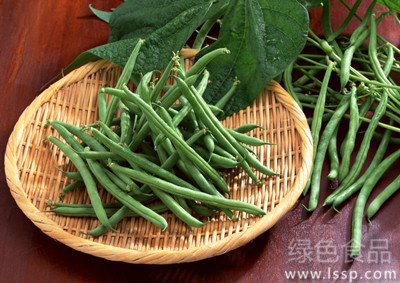
Common beans differentiate many flower buds; generally each plant can produce around 20 inflorescences, and each inflorescence has 4 to 10 flowers. But in production, only 20% to 50% of the total flowers set pods, and each inflorescence sets only 2 to 4 pods. Some set a small pod that may still drop off and cause losses, so this must be controlled.
Causes of flower and pod drop in common beans: first, the effect of temperature. Under high-temperature conditions above 25°C, flower bud differentiation becomes incomplete; above 32°C, the viability of pollen declines, and it may even lose its ability to germinate, so the flower buds drop because they cannot be fertilized normally. Second, humidity. If continuous rainy weather occurs during the flowering period, the air humidity is too high, so pollen cannot be shed, or the pollen is soaked by rainwater and ruptures, affecting normal pollination and causing flower drop. When the field is waterlogged or the soil loses moisture, the stems and leaves wilt under strong light and high temperature, and flower and pod drop becomes even more serious. Third, poor plant nutrition: the leaves turn yellow and the plant is weak and spindly, and the transport of photosynthates to the flowers and pods is blocked, so the flowers and pods drop from starvation. Excessive vegetative growth disrupts the balance between vegetative growth and reproductive growth, the stems and leaves mass together, and ventilation and light penetration are poor, which can also lead to severe flower and pod drop. Fourth, damage from aphids and bean pod borers can also cause flower and pod drop.
To prevent flower and pod drop, the following technical measures should be carried out well:
1. Fertilizer and water management
For thin, poor soil, apply more decomposed organic fertilizer as base fertilizer, together with quick-acting nitrogen and phosphorus fertilizer, and be sure not to apply nitrogen fertilizer alone. For fertile soil, organic fertilizer and phosphorus fertilizer should be the main inputs, together with an appropriate amount of nitrogen fertilizer. Watering should also be reasonable to prevent uneven drought and waterlogging. Generally, at flowering, control the vines and promote pod set by watering little or not at all; wait until most pods have grown to about 3 cm before watering again, just as some vegetable growers say: "dry flowers, wet pods." If there is too much rainfall, drain the field water promptly and supplement with an appropriate amount of quick-acting nitrogen fertilizer to promote normal growth.
2. Reasonable close planting
Do not leave too many seedlings per hill. Leave 3 plants per hill for dwarf types, and 2 plants per hill for vining types. For vining types, set up tall trellises in time so they can climb upward, preventing the field from becoming too dense and ventilation and light penetration from being poor.
3. Biochemical control
Under normal management, using plant growth regulators as well gives a better effect in preserving flowers and pods. During the flowering period, treat with a 5 to 10 ppm 2,4-D solution, a 5 to 25 ppm a-naphthaleneacetic acid aqueous solution, or 1 to 5 ppm of 4-CPA, etc. For dwarf common beans, spray once at full bloom and then spray again after 7 to 10 days, and that is enough. For vining common beans, treat each batch of flowers as it blooms, requiring multiple sprays. When applying these measures, note that the concentration must be accurate, the solution should only be applied to the flowers, and chemical treatment is not suitable for plants intended for seed production.
4. Pest control
During the flowering period of common beans, spray 90% trichlorfon at 800 times dilution, or 50% fenitrothion at 1000 times dilution, to control aphids and bean borers, and good results can be obtained.