Several key points that must be grasped in pepper seedling cultivation during summer and autumn
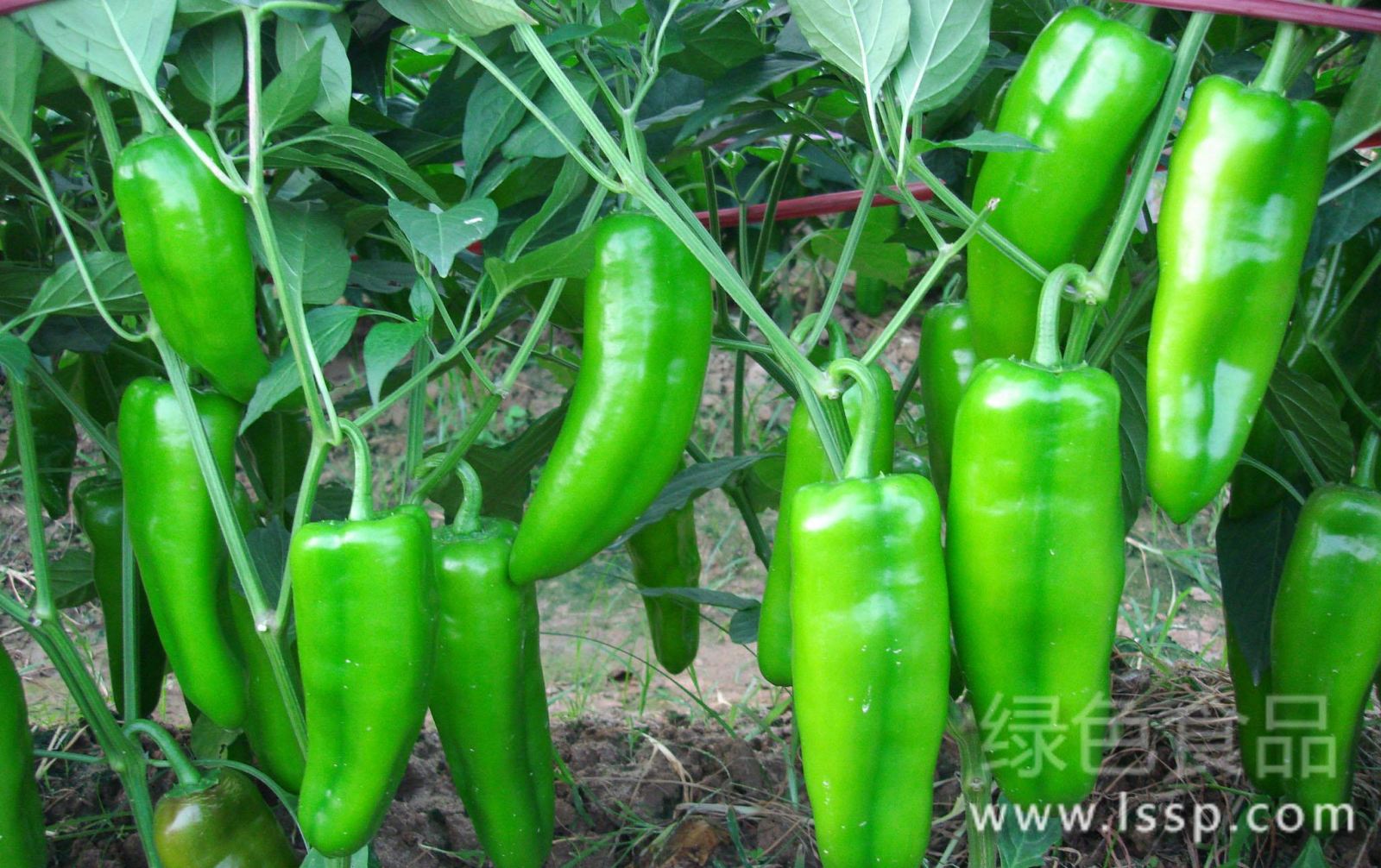
Pepper
In late summer and early autumn, high temperatures and strong sunlight bring certain difficulties to pepper seedling cultivation, but fellow vegetable growers should pay attention to strictly following the technical operation process: use technology in seedling cultivation and rely on science in management. Take the following measures to ensure that pepper seedlings grow vigorously and robustly.
In summer and autumn pepper seedling cultivation, while doing a good job in several tasks such as seed treatment, natural room-temperature germination, and selection of plug trays for sowing, mainly solve the problems of high temperature and drought, strong winds and rainstorms, preventing seedling spindling, and preventing pests and diseases, and then everything will be fine.
Seed treatment: after selecting a good variety, first dry the seeds in the sun for 4 hours, then disinfect them with trisodium phosphate solution, and then soak them in clean water for about 8 hours. Remove them and let them dry slightly, then prepare for germination.
Room-temperature germination: the current room temperature is generally around 30°C, which is the suitable temperature for germination. Wrap the soaked seeds in cotton cloth, then wrap another layer of plastic film to retain moisture. Rinse the seeds with clean water every half day, then wrap them again for germination. They will sprout in about 60~70 hours. It is best to sow when the sprouts are about 3 mm long (at this time the seeds are called white-sprouted); if they cannot be sown in time, the seeds should be stored at about 8°C and conditions for sowing should be created as soon as possible.
Preparation of plug trays: use a special seedling-raising medium. Each bag can fill 12 trays of 72 cells, and each tray can raise 72 seedlings. Vegetable growers can calculate the required number of seedling plug trays and the amount of seedling-raising medium according to their own needs. Mix the seedling-raising medium with an appropriate amount of phosphorus-potassium compound fertilizer, special biological micro-fertilizer and other trace elements, add water and stir evenly, fill the plug trays, level them (scrape flat with a straight wooden board), and then sow.
This is only the beginning of the seedling cultivation work. If you want to raise good seedlings, the important part is still ahead. Preventing high temperature and drought, rainwater accumulation from rainstorms, seedling spindling, and pests and diseases is the top priority of the whole work.
Pepper seedling cultivation
Preventing high temperature: after sowing, water the plug trays thoroughly and spray with Previcur, then cover with plastic film to retain moisture. At this time, attention should be paid to shading and cooling to strictly prevent steaming the seeds and affecting emergence. At this time, the daytime temperature should be kept below 30°C, and the nighttime temperature below 18°C. When about 80% of the seedlings have emerged, the plastic film can be removed. As the seedlings grow, the time of covering with shade netting can be shortened, which is more conducive to seedling growth.
Preventing drought: after sowing and emergence, always pay attention to the humidity of the seedbed; it should not be too wet or too dry. Many vegetable growers, fearing seedling spindling, control watering and cause the plug trays to become too dry. At this time, because the capillary roots lose water and are damaged by drought, the later absorption capacity is affected, weak seedlings are formed, and they are prone to disease. Therefore, watering should be done appropriately, and the best watering time is in the morning on a sunny day.
Preventing seedling spindling: no matter what crop, plant spindling is caused by weak light conditions, insufficient photosynthesis, high temperature, high humidity, and so on. The main reasons for pepper seedling spindling in summer are high nighttime temperature, strong respiration, and excessive nutrient consumption, as well as sufficient nitrogen fertilizer and water causing seedling spindling. In addition, seedlings that are too dense shade each other from sunlight, affecting photosynthesis. Therefore, to prevent seedling spindling, attention should first be paid to preventing excessively high nighttime temperature and excessive humidity in the plug trays; second, apply less nitrogen fertilizer when watering with topdressing fertilizer; third, when the seedlings have grown to a certain size, widen the spacing between plug trays to increase ventilation and light transmission and enhance photosynthesis to avoid seedling spindling.
Preventing rainstorm damage: for seedbeds set up inside a shed, generally use a one-film two-net covering method (plastic film plus shade netting and insect-proof netting). When there is heavy rain, the shed film can be pulled down and buried well to prevent rainwater from washing and battering the seedlings and from spreading diseases through rainwater.
Preventing pests and diseases: at the present stage, because the external environment is more favorable for the occurrence of pests, pest control should also be strengthened. For example, install a tightly sealed insect-proof net in the seedling shed; use the tropism of pests to set up yellow boards to trap aphids and whiteflies, and blue boards to trap and kill thrips; when necessary, use pesticides for control. At this time, the diseases that should be mainly prevented are damping-off at the seedling stage, Rhizoctonia rot, and viral disease in the middle growth stage. In addition to good seed disinfection, seedbed disinfection should also be carried out. After sowing, spray-irrigate Xiangnong No. 4 or Miaojundi mixed with Fengshou No. 1, which can effectively inhibit soil-borne seedling-stage diseases and also promote root development at the seedling stage, resulting in uniform and robust seedlings.