How to Protect Winter Vegetables from Freezing and Keep Them Warm? Key Points of Plant Protection Explained
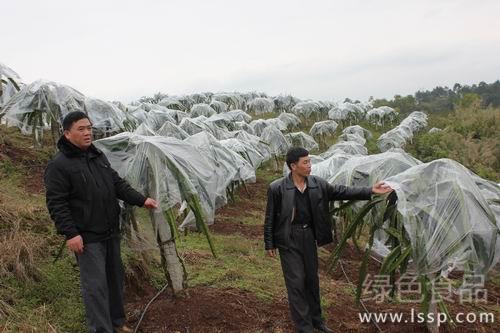
Crop freezing protection and warmth measures
Winter crops mainly include rapeseed, spring grain, vegetables and other crops. Since the beginning of winter, temperatures have been on the high side, and winter crops are growing vigorously with tender green leaves. The warm winter has accelerated the growth and development of winter crops compared with previous years. Low-temperature weather, on the one hand, helps slow down the growth and development of winter crops, promotes strong winter growth, alleviates winter drought, and kills some overwintering pests and pathogens; but on the other hand, it can also cause freezing injury. Therefore, effective measures must be taken to seek advantages and avoid disadvantages, and strive to reduce the negative impact of rain and snow cooling on winter agricultural production. The following field management measures should be focused on:
1. Cover with rice straw to keep warm and prevent freezing. Before snowfall, evenly cover rice straw between rapeseed, broad bean and pea rows and on open-field vegetables to raise ground temperature, protect plants, and prevent freezing injury, while also improving soil fertility. Where conditions permit, plant ash can also be spread to improve the plants' cold resistance. For greenhouse vegetables and other crops, use insulation measures such as covering with straw curtains, non-woven fabric, shade nets, or multi-layer coverage. In case of heavy snow, vegetables should be harvested promptly, with part of the crop harvested early to avoid freezing injury and snow pressure and reduce losses.
2. Remove snow promptly to reduce freezing injury. Heavy snow can crush and injure winter crops and aggravate freezing injury. Farmers should be promptly mobilized to remove snow in the fields to prevent mechanical damage to winter crops and reduce freezing injury. Strengthen the reinforcement of vegetable greenhouses and other facilities, assign dedicated personnel for management and protection, and especially remove snow from greenhouses promptly at night as well to prevent greenhouse collapse.
3. Clear ditches and channels to prevent waterlogging damage. Rain and snow can easily cause soil collapse in ditches and channels. After snow, ditches and channels in winter crop fields should be cleared immediately to drain accumulated water, improve root vitality, and prevent waterlogging damage. Snow on both sides of vegetable greenhouses should also be removed promptly to prevent it from absorbing a large amount of heat when melting and lowering the temperature inside the greenhouse, and ditches should be opened in time for drainage to prevent waterlogging damage.
4. Apply additional fertilizer to promote growth. For fields with insufficient basal fertilizer and seedling fertilizer and with thin, small seedlings, in conjunction with winter warmth and freezing protection, apply early additional la fertilizer based mainly on farmyard manure. For fields more severely affected by freezing, apply an appropriate amount of quick-acting nitrogen fertilizer and phosphorus-potassium fertilizer to promote the plants' rapid recovery of growth. After snow, when the weather suddenly clears, vegetable greenhouses should be re-covered with curtains in time to prevent wilting.
⟧ 5. After snow, overwintering crops should be treated promptly to prevent the occurrence of diseases. For greenhouse vegetables, focus should be placed on temperature and humidity management and the ratio of nitrogen, phosphorus, and potassium fertilizers. In particular, nitrogen fertilizer should not be applied excessively, and attention should be paid to the application of organic fertilizer. During continuous rainy, snowy, and low-temperature weather, humidity inside the greenhouse is relatively high, so attention should be paid to the occurrence and spread of vegetable and cucurbit blight and gray mold.