How to Keep Grass Seeds Alive During Dry Storage
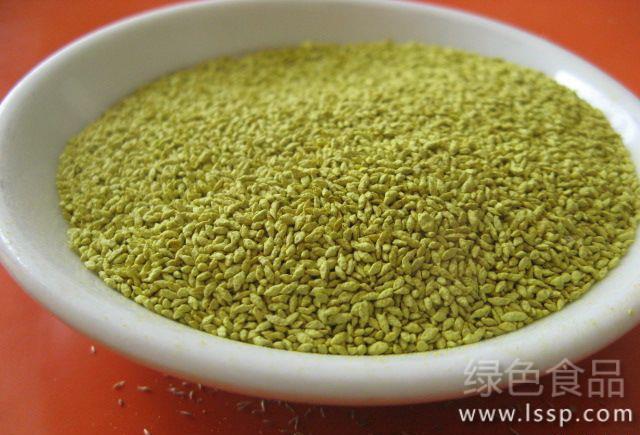
Grass seeds
Grass seeds refer to planting materials or propagation materials such as grains, fruits, roots, stems, seedlings, leaves and buds of herbaceous plants and forage shrubs used for animal feeding, ecological construction, greening and landscaping, and other purposes.
Drying grass seeds is of great significance for extending their lifespan. The purpose of seed drying is to enable dried seeds to retain their viability, vigor and original genetic characteristics after being stored for a long time in a low-temperature germplasm bank. Seed moisture content is more important than storage temperature; even without refrigeration, moderate drying can greatly extend the storage life of seeds. There are several methods for drying seeds:
1. Natural seed drying: this uses natural conditions such as sunlight and wind, or a little artificial assistance, to reduce seed moisture content to, or close to, the safe storage moisture standard for seeds. Natural drying can reduce energy consumption, speed up the rate at which seeds lose moisture, and also lower seed processing costs. However, this drying method takes a relatively long time and is affected by factors such as external atmospheric humidity, temperature and wind speed.
2. Mechanical seed drying: for newly harvested seeds with relatively high moisture content, when rainy weather occurs or no hot-air drying machinery is available, a blower can be used to blow cool, dry outside air into the seed pile, so as to continuously carry away water vapor and heat, thereby drying and cooling the seeds. Ventilation drying uses outside air as the drying medium, and the degree of seed moisture loss is affected by the relative humidity of the outside air. This drying method is relatively simple; as long as there is a blower, ventilation drying can be carried out.
3. Heated drying method: this is a method that uses heated air as the drying medium to pass directly through the seed layer, causing the seed moisture to vaporize and thereby drying the seeds. In warm and humid tropical and subtropical regions, especially for large-scale seed production units or seeds intended for long-term storage, heated drying methods are needed.
4. Desiccant drying: this is a drying method in which a seed desiccant is sealed in an airtight container in a certain proportion, using the desiccant's moisture-absorbing capacity to continuously absorb the moisture diffusing out of the grass seeds, so that the seeds dry until they reach equilibrium moisture content. The main desiccants include lithium chloride, color-changing silica gel, quicklime, calcium chloride, phosphorus pentoxide, etc. Desiccant drying is relatively safe, allows control of the drying moisture level, and is suitable for drying small quantities of seeds.
5. Freeze drying: this is a method in which seeds are frozen at temperatures below the freezing point, and biochemical action is used to remove moisture and achieve drying. This method can selectively remove free water and multilayer bound water from seeds without heating, leaving a single layer of bound water, thereby significantly reducing drying damage to seeds and increasing their storage tolerance. The “double 15” drying method: the International Plant Genetic Resources Committee considers that using drying conditions of 15°C and about 15% humidity to dry seeds is the safest and most reliable method. This method is widely used for drying seeds in germplasm banks, can dry seeds in batches, causes little harm to grass seeds, and can achieve the purpose of safe drying.