Three principles for watering wheat well with freezing water to prevent spring drought
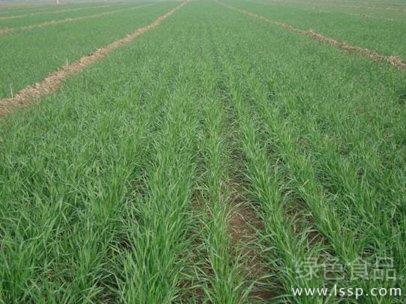
Growing wheat
Watering wheat with freezing water at the right time can prevent spring drought, stabilize soil temperature, enhance the cold resistance of wheat, and help wheat seedlings overwinter safely. However, when watering freezing water, the following three principles should be mastered.
First, the temperature for watering freezing water should be controlled to when the daily average temperature is 3——5 degrees. If freezing water is watered too early, when the temperature is high and evaporation is large, it will not only fail to store water and increase soil moisture, but will also cause wheat seedlings to grow excessively and reduce their frost resistance. If freezing water is watered too late, when the temperature is low and the soil is frozen, the water cannot infiltrate downward, causing the wheat seedlings to freeze. Farmers' experience is: master "water early without excessive growth, water late without freezing." Generally, it is done around mid-November.
Second, watering is only suitable when the soil moisture content is below 70% of the maximum field water-holding capacity. If it is above 80%, irrigation can be omitted or delayed. No matter when winter water is watered, loosen the soil promptly after watering to preserve soil moisture and prevent cold.
Third, in specific irrigation, the principle should be mastered that weak seedlings should be watered early, vigorous seedlings should be watered late, and strong seedlings should be watered at the right time. Winter irrigation is not suitable for "single-root seedlings" that have not tillered.