How to scientifically respond to adverse weather for greenhouse vegetables
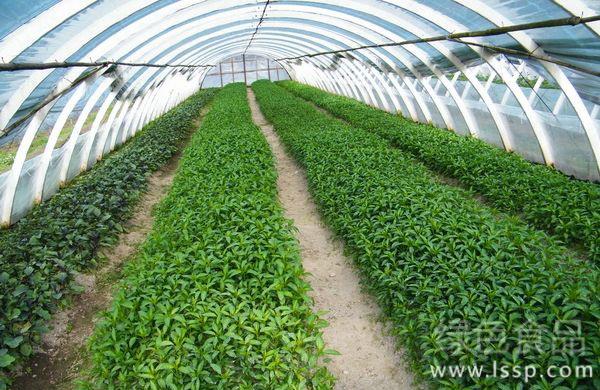
Greenhouse vegetables
Right now is a critical period for the growth of greenhouse vegetables, but low temperatures, combined with frequent haze and snowfall, have had a considerable impact on greenhouse vegetable production.
Prolonged haze and snowfall significantly reduce light and temperature in greenhouses, and the low-temperature, high-humidity microclimate can easily cause greenhouse vegetables to grow slowly, or stop growing, or even die. To ensure a bumper harvest and increased income from greenhouse vegetables, growers should manage scientifically and take active measures in response. Pay attention to cold protection and insulation for the greenhouse, promptly add straw mats, insulation quilts, and cold-proof film to reduce heat loss inside the greenhouse; during haze, pay attention to raising temperature and supplementing light, and greenhouses with the conditions should install heating lamps, supplemental lighting, hot air blowers and other heating and lighting facilities as soon as possible to raise the temperature, increase light, and promote plant growth. During snowy weather, snow on the greenhouse film should be removed promptly. Snow on both sides of the greenhouse should also be removed promptly to prevent it from absorbing a large amount of heat when melting and lowering the temperature inside the greenhouse, and when removing snow, try to avoid damaging the greenhouse film. In addition, watering should be controlled, fertilization should be reasonable, and pests and diseases should be prevented and controlled. During low-temperature and low-light weather, do not irrigate or irrigate as little as possible, and remove moisture promptly by measures such as spraying plant ash. When fertilizing, control the amount of nitrogen fertilizer and increase the application of phosphorus and potassium fertilizers.
Because winter temperatures are low and greenhouse vegetables grow slowly, greenhouse vegetables can be fertilized appropriately to promote vegetable growth, and fertilization should mainly be frequent light applications, with the fertilizer dissolved in advance and applied together with irrigation. Second, in winter there is less time for ventilation in the greenhouse, and the temperature difference and humidity inside are greater, so vegetable downy mildew, gray mold, whitefly and other diseases and insect pests are prone to spread. It is recommended that farmers spray insecticide and fungicide once a week, choosing noon on a sunny day for spraying, to prevent the occurrence of pests and diseases and reduce the damage. In addition, when the light is strong at noon on a sunny day, properly uncover the curtain and ventilate to lower the temperature and humidity inside the greenhouse and expel harmful gases from the greenhouse.
It is especially worth noting that during this period, gray mold is a highly prevalent disease of greenhouse cucumbers and other vegetables, and vegetable growers should control it promptly. This disease mainly damages young cucumbers and leaves, and the pathogen reinfects through airflow and agricultural operations. Gray mold is suitable for onset at an air temperature of 20°C-23°C and humidity above 90%, and low temperature, high humidity and weak light favor its occurrence; flood irrigation combined with continuous cloudy days or hazy weather and foggy days are all important factors inducing gray mold. Ultraviolet ozone sterilization light sources can be installed; their function is to use the ultraviolet rays emitted by the light source to produce low-concentration ozone, and at the same time they can purify the environment and sterilize, and they are suitable for the prevention, elimination and reduction of airborne diseases in greenhouses. Their advantages include: First, safe, efficient and low cost. Ozone can achieve multiple uses with one application, controlling multiple pests and diseases at the same time, and the control cost is low. Compared with spraying pesticides, it is safer, more convenient and more reliable, and at the same time greatly reduces the amount of pesticide used, thereby lowering the cost of medication. Second, pollution-free. Ozone is unstable in dry air and can quickly decompose and revert to oxygen, so there is no pollution or residue in plants and fruits. Third, improved quality and increased yield. Tests have shown that after installing ultraviolet ozone sterilization light sources, cucumbers have good coloring, good taste, and increased yield. When using it, note: reasonably determine the release amount and time; the ozone release amount and release time should be appropriately adjusted according to different crops and their growth stages; during release, try to ensure uniformity, and the gas nozzle must not directly face the vegetables and should be more than 0.8 m away from the vegetable plants. After the release time is reached, ventilate promptly, and the ventilation time generally must not be less than 30 minutes. During this period, strictly prevent people and livestock from entering to avoid poisoning or other adverse reactions. When ozone is released, the temperature in the greenhouse should be kept within the range of 10°C-30°C, and the control effect will be better under conditions of relatively high air humidity.