Ensure Biogas Digester Cleaning Safety and Strengthen Biogas Management: 5 Precautions
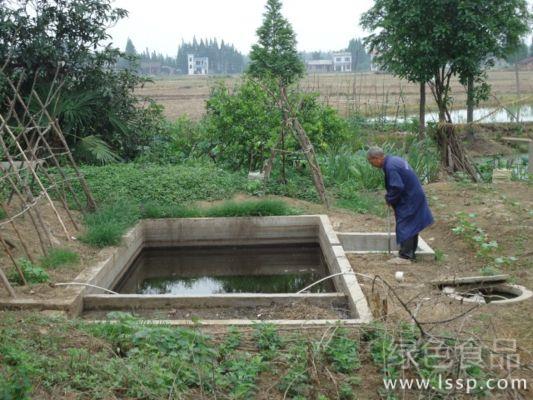
Biogas Digester
While biogas digesters bring benefits to farming households, they also bring some troubles: the longer they are used, the more likely some digesters are to become clogged, full, or poor at producing gas. Why does this happen? The main reason is that some users are not careful when feeding the digester and manage it poorly, putting in too much fibrous material. This kind of fibrous material takes a long time to ferment and does not ferment easily. Or, when washing the pig pens, soil- and sand-containing material gets flushed in. On top of that, during normal use the fermentation material inside the digester is not stirred evenly in time, causing the fermentation material to be distributed unevenly, which is not good for the breakdown of the input material. Over time, a crust easily forms on the surface of the material inside the digester, and the clumping causes blockages. Once the material in the biogas digester ferments poorly, the digested sludge and liquid discharged from the outlet have not fully fermented, which pollutes the environment. In addition, once the material in the biogas digester ferments poorly, it affects normal feeding and discharging of the digester, resulting in poor gas production. Therefore, biogas users should treat the biogas digester as a living organism, not as a garbage heap into which anything can be dumped. For digesters that are poorly managed or have not been cleaned for a long time, once blockages occur, along with poor feeding and discharging, a full pit, poor gas production and other problems, they should be cleaned out promptly.
To make better use of biogas, biogas digesters should be cleaned out progressively after about 3——5 years of use. To prevent poisoning or even suffocation accidents caused by toxic gases when cleaning biogas digesters, users are reminded to pay special attention to the following points:
1. Ensure that cleaning is done by a qualified, certified biogas technician. Cleaning a biogas digester must be done by a qualified, certified technician, strictly following safety procedures. When doing a major material change or removing sediment from a biogas digester, use discharge machinery and tools (such as sewage pumps, etc.) as much as possible; that is, when cleaning a biogas digester, use mechanical cleaning whenever possible. Personnel are strictly forbidden from entering the pit directly without experimental preparation.
2. Safety preparations before cleaning the biogas digester. When cleaning out old material and residue from the biogas digester, be sure to pump out the biogas slurry inside so that the liquid level drops below the inlet and outlet openings on the pit wall. At the same time, open the outlet cover and the movable cover, ventilate fully, and release all the biogas, then repeatedly fill with clean water while pumping dry, doing this 2-3 times. When personnel really do need to enter the pit for cleaning, air should first be blown into the biogas digester to promote air circulation and remove all harmful gases from the pit. Before a person enters the pit, first tie a rope to small animals such as chickens and ducks and slowly lower them into the pit for more than 30 minutes as a test. Only after it is confirmed that there is truly no danger may one enter the pit for cleaning or maintenance.
3. Safety requirements for work inside the pit. When going down into the pit for cleaning work, someone must stand guard above the pit. Personnel going down into the pit for cleaning work must fasten a sturdy safety belt around the waist and climb down into the pit using a ladder. If they feel dizzy, stifled, or unwell, they must leave the pit immediately. Once danger occurs, the guard above the pit should immediately pull the belt to rescue them.
4. First aid measures. It is important to note that when poisoning of personnel working inside the pit is discovered, one must not rush down into the biogas digester to rescue them. First use a blower or similar device to blow air into the pit. Rescuers should quickly pull the person out of the pit. Absolutely do not go down into the pit to rescue poisoned personnel, so as to avoid causing accidents in which multiple people are poisoned or suffocated in succession.
5. Replacing the desulfurizer. After the desulfurizer has been used for 4-6 months, it should be regenerated and restored, and the desulfurizer should be replaced. When replacing the desulfurizer, first close the switches before and after the desulfurizer, then unscrew the lower bottle to pour out the used desulfurizer. Spread the poured-out desulfurizer flat in a shaded, ventilated place and let it regenerate automatically at room temperature. Generally, used desulfurizer needs 24 hours to regenerate. After use its color is black, and after regeneration and restoration it automatically turns yellowish-brown. One bottle of desulfurizer can be regenerated and reused 2-3 times, and after 3 times it should be replaced with new desulfurizer.