Following Nature: Returning Fallen Leaves to Their Roots for Soil Improvement in Vineyards
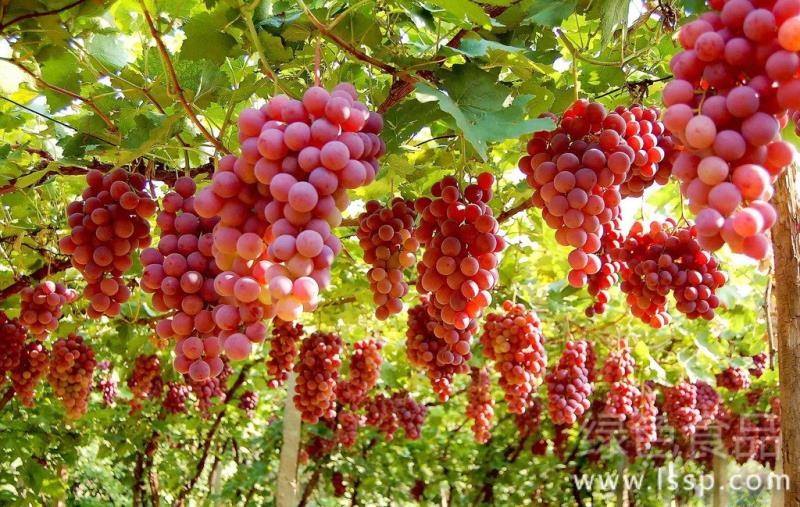
Grapes
One of the main reasons for the lushness and prosperity of natural forests is that fallen leaves return to their roots. Branches and fallen leaves are products of plant photosynthesis; they not only contain the mineral nutrients that trees absorb and need, but are also a source of nutrition and energy for beneficial bacteria, earthworms and other microorganisms and animals in the soil. Returning branches and fallen leaves to the field each year can minimize the loss of the soil's original mineral nutrients, maintain the soil's original ecology, and at the same time, during the soil improvement process, improve the environment for the growth and development of beneficial bacteria and animal populations in the soil. Through such continuous cycling, the soil is continuously developed and enriched. This meets the conditions for sustainable development. Ultimately, it drives the long-term prosperity and lushness of trees and forests.
Establishing an orchard is a mode of operation aimed at harvesting fruit. The growth, development and ripening of fruit cannot be separated from the soil's development, fertility and the relative stability and balance of nutrients. Fruit tree production and harvesting only remove the ripe fruit each year; in terms of soil nutrient loss, only about 3% of the dry matter is taken away. In other words, 97% of the dry matter in the fruit is carbohydrates — derived from photosynthesis and water; 3% is soil mineral nutrients — derived from the soil.
In orchard management, in autumn and winter, the fallen leaves of the fruit trees or the by-products of pruning, including the weeds in the orchard, can all be returned to the orchard. Based on a harvest of 1000 kg of ripe grape fruit, the pure nitrogen (N) removed is 3 kg, pure phosphorus (P2O5) is 1.5 kg, pure potassium (K2O) is 3.6 kg; among the other secondary elements, Ca is basically similar to potassium, Mg is between one-quarter and one-fifth of calcium, and in addition there are trace elements such as iron, copper, manganese, zinc, boron and molybdenum. If we return branches, weeds and the like to the field each year, then in theory we only need to supplement each year the mineral nutrients removed from the soil by the grape fruit. This can achieve the original nutrient status of the soil. Nutritionally, this ensures that grape quality is no worse than in previous years. According to the actual climate and soil environment of this region, the utilization rate is about 50%, which means that producing 1000 kg of grapes requires 6 kg of pure nitrogen, 3 kg of pure phosphorus and 7.2 kg of pure potassium. Under normal climatic conditions and normal management conditions in this region, high-quality Summer Black has a yield of about 750 kg per mu. Therefore, even when branches, leaves and grass are returned to the field each year, the vineyard should apply no more than 4.5 kg of nitrogen, 2.25 kg of pure phosphorus and 5.4 kg of pure potassium. Therefore, when applying organic fertilizer or other fertilizers, the annual total should not exceed this amount. If the branches are taken out of the orchard, this can be doubled, but the problem is that the more external fertilizer is applied, the greater the damage to the soil, especially the amount of chemical fertilizer.
The natural phenomenon of “fallen leaves returning to their roots” is, for our grapes, not merely a matter of supplementing nutrients; more importantly, it relatively balances nutrients, provides substances that external fertilizer supplements cannot, and at the same time improves the soil's water, air and heat conditions. The clayey soil in this region is a cold soil, unsuitable for the growth requirements of grape fleshy roots. If attention is not paid to improving deep soil conditions, it will lead to excessive vegetative growth and early decline during the plum rain period and the dog days; physiological diseases such as blighted clusters, soft berries, fruit cracking and berry shattering will then occur. Therefore, starting from the conditions required for grape growth and fruiting, we must follow “fallen leaves returning to their roots” and carry out related soil improvement measures. Specifically, several key points can be mastered:
1. After flowering each spring, in the following winter, use the pruned grape branches and the weeds in the field, crushed or chopped, and external branches and weeds may also be added, totaling about 600 kg per mu; first carry out root-zone mulching, then during partial trenching for soil improvement in the autumn of that year, mix them with soil and bury them in the orchard.
⟧
3. During the rainy season, the temperature and humidity in the orchard are high, and harmful pathogens easily reproduce and breed. Therefore, the root-zone mulching material should be treated with beneficial bacteria, using an organic liquid fertilizer containing beneficial bacteria such as Cibaokang about once every 15 days, about 2 times in total, at a concentration of about 300 times.
In short, while improving the soil, appropriate use can be further combined with water-retaining agents, organic calcium, organic trace elements and the like, so as to balance the soil's water, fertilizer, air and heat conditions in the orchard, create a relatively good environment for root growth and development, and lay a key foundation for the healthy growth and fruiting of grapes.