How to remedy overwintering vegetables after rain and snow
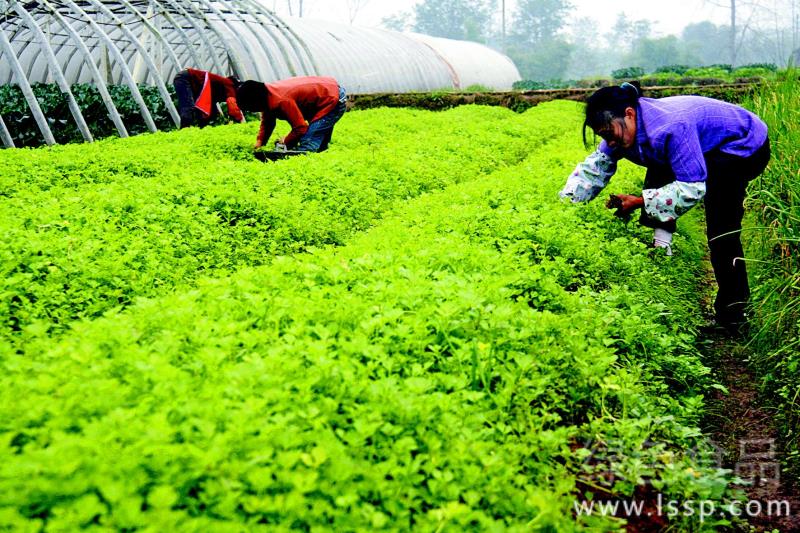
Overwintering vegetables
Sustained rainy weather, low temperatures, heavy snow and other adverse weather conditions have a relatively large impact on vegetable production. They can cause many vegetable crops to root poorly, with root systems shrinking, and leaves that are small, thin, yellow and frostbitten, leading to the occurrence of various diseases. This is a major obstacle that makes it difficult to increase the yield of greenhouse vegetables. If greenhouse vegetables are to maintain stable production, management after disastrous weather must be strengthened.
1. Clear snow and reinforce the greenhouse frame and film. According to the situation, promptly take measures such as sweeping snow, shoveling snow, heating inside the greenhouse to melt snow, and reinforcing with supports to clear the snow on the greenhouse and prevent the snow from crushing the greenhouse. At the same time, continue to pay attention to preventing snowfall and windy weather. For seedlings killed by severe low temperatures, replant promptly; where there are no seedlings to replant, reseed or raise new seedlings promptly.
2. Continue to do a good job of freeze prevention and warmth preservation. At night, continue to use multi-layer covering; solanaceous and fruiting vegetables should have three or more layers of covering, and pumpkins and ground gourds five layers of covering. Ventilation openings must be tightly covered, and the joints of the inner greenhouse must be sealed. If conditions permit, it is best to cover the greenhouse side ditches, middle ditches and bed surfaces with some dry rice straw, which provides warmth at night and reduces humidity during the day; where conditions permit, electric heating wires should be used for heating.
3. Strengthen field management. After snow, immediately clear ditches, drain accumulated water and prevent a drop in temperature caused by the absorption of a large amount of heat during melting, so as to prevent freeze injury and waterlogging. For greenhouse vegetables, after the weather turns clear, promptly remove the coverings inside the greenhouse and promptly ventilate at the leeward side of the greenhouse; on rainy days, also promptly remove the coverings inside the greenhouse and ventilate around midday to eliminate the harm of harmful gases inside the greenhouse. After continuous rainy days or snowy days suddenly turn clear, pay attention to changes in the plants when ventilating. If wilting is found, immediately cover with shade netting, non-woven fabric, straw curtains, etc., then uncover after recovery, and cover again if wilting recurs. Repeat this process, and after 2-3 days, normal management can be resumed. If they are uncovered and left alone, seedling failure is likely to result. If they still wilt after being covered with shade netting, non-woven fabric or straw curtains, manual spraying of water inside the greenhouse is required. For open-field vegetables, promptly open ditches for drainage; to prevent freeze injury, rice straw may be spread to strengthen warmth preservation.
⟧ 4. Strengthen pest and disease control and fertilize reasonably. For diseases such as gray mold and seedling damping-off in greenhouse vegetables after snow, fumigants should be used for control to improve effectiveness. Scientifically and reasonably increase the application of phosphorus and potassium fertilizers to improve the cold resistance of vegetables. For vegetables and seedlings affected by chilling injury and freeze injury, use a 300-fold rice vinegar solution to spray the leaves, or spray the leaf surfaces with 0.2% monopotassium phosphate to increase the resistance of the vegetables. When the leaf surfaces of cucumbers, tomatoes, etc. are relatively light in color, 75 grams of urea may be added. Also use 1000-fold Plant Power 2003 for foliar topdressing to enhance the cold resistance of the plants and promote the crops to recover growth as quickly as possible.