What abnormal situations are likely to occur when raising seedlings in winter and spring?
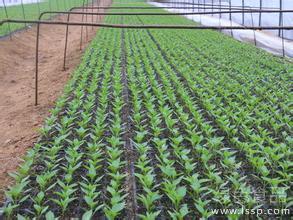
Raising seedlings
When raising seedlings in winter and spring, abnormal situations often occur due to weather changes or improper management, mainly including:
1. Root-rotted seedlings. Mainly caused by high humidity and low temperature.
2. Spindly seedlings. Mainly caused by high temperature and high humidity.
3. Aged seedlings. Caused by seedlings being too old or the seedling-hardening period being too long.
4. Freeze-damaged seedlings. Caused by excessively low temperature.
5. Herbicide-damaged seedlings. Caused by too large an application amount or too high a concentration.
6. Wilting seedlings. Caused by suddenly clearing after continuous overcast, rainy, or snowy days and then lifting the covers.
7. Helmeted seedlings. Caused by the seedbed being too dry and the soil covering being too thin.
In response to these abnormal situations, temperature and humidity should be well controlled when raising seedlings. When the temperature is too low, measures such as heating cables should be used to try to raise the soil temperature, avoiding too much humidity in the seedbed, and at the same time the seedling age should be strictly controlled. If disease occurs, the concentration should be well controlled when spraying, avoiding too large an application amount.