Follow four principles for fertilizing edible fungi and get higher mushrooming efficiency
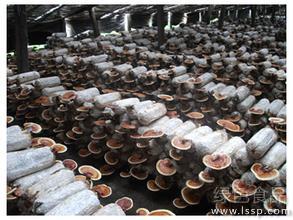
Edible fungus cultivation
In the late stage of edible fungus fruiting, in order to strengthen the stamina for mushrooming, growers often apply additional fertilizer by adding nutrient solution. Only by following the principle of "two suitables and two musts" can the desired goal be achieved.
1. The application method should be suitable. There are usually 3 methods for adding nutrient solution: spraying, soaking and hole irrigation. The best time to spray the nutrient solution is when the fruiting bodies appear in large numbers. When spraying, take care that the nozzle is not pointed directly at the fruiting bodies, and also observe the "four no-spray" rules: do not spray on young mushroom buds, so as to avoid their "swelling to death"; do not spray on places where mushrooms have just been picked or where mushroom debris remains, so as to avoid causing bacterial diseases; do not spray when the air humidity is too high; do not spray when pests and diseases are severe inside the mushroom shed (room). The soaking method is mainly used for bag-cultivated edible fungi. After harvesting 1-2 flushes of mushrooms, if the cultivation bags are in a state of severe water shortage, they can be placed in a prepared nutrient solution to soak until they recover to close to their original weight. When using the soaking method to add nutrient solution, generally the fungus bags are placed in a nutrient solution pool and weighted down with heavy objects, and the soaking time must not be too long. If the fungus bags have lost too much water, they can be soaked several times. The hole irrigation method is mainly used on mushroom beds, and can be used when the mushroom bed produces many mushrooms and water and nutrients are consumed too heavily. The specific method is: punch holes in the mushroom bed at a hole spacing of 10 cm, flood the mushroom bed with the prepared nutrient solution, and cover with soil after adding the nutrient solution.
2. The added concentration should be appropriate. When the nutrient solution concentration is too high, not only is it difficult for the mycelium to absorb it, but it will also hinder and even damage the growth of the mycelium; when the concentration is too low, the goal of high yield cannot be achieved. The concentration of the added nutrient solution should be determined according to the water content of the culture material: if the water content of the culture material is relatively high, the concentration of the nutrient solution should be increased, the amount of water used should be reduced, and ventilation should be increased after adding it; conversely, the concentration of the nutrient solution should be reduced and the amount of water used should be increased.
3. The nutrients in the nutrient solution should be comprehensive. Several nutrient solutions should often be used alternately, so that the nutrients needed for the growth of the fruiting bodies will be both comprehensive and reasonable. If hormones are used to stimulate the growth of edible fungi, this should be done after supplementing the nutrient solution.
4. Pay attention to changes in the environment. When the temperature reaches above 20°C, it is difficult for the mycelium to form high-quality fruiting bodies, and except for high-temperature-type edible fungus varieties, no nutrient solution needs to be added. If the culture material has already been contaminated by miscellaneous fungi, be sure to remove the miscellaneous fungi first before adding the nutrient solution. In order to prevent contamination by miscellaneous fungi, a certain amount of bacteriostatic agent can also be added while adding the nutrient solution, so as to prevent the breeding and spreading of miscellaneous fungi.