How to increase the fruit set rate of bell peppers? Three methods for early spring greenhouses
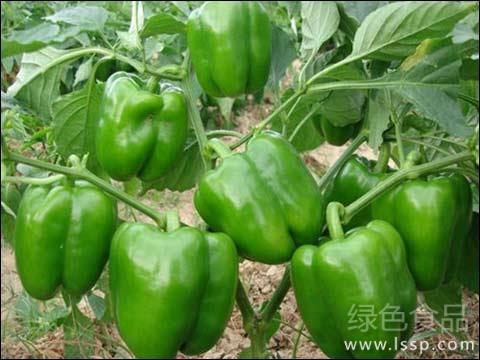
Bell pepper
The planting period for early spring greenhouse bell peppers is generally in February and March. During the flowering and fruiting stage, cloudy, snowy and low-temperature weather is often encountered, which leads to poor flower bud differentiation of bell peppers in the greenhouse, serious flower and fruit drop, and severely affects yield and income. Below, three methods for increasing the fruit set rate of greenhouse bell peppers are introduced.
1. Improve lighting conditions and raise the temperature. When cloudy, snowy and low-temperature weather occurs, supplementary lighting lamps can be added in the greenhouse. At the same time, hang reflective curtains on the back wall to increase light inside the greenhouse. Clean the greenhouse film to improve its light transmittance. Strengthen pruning and shoot removal management, remove excessive branches and leaves, especially the inner canopy branches and leaves, to improve the light exposure of leaves and flower buds and reduce nutrient consumption, thereby increasing the fruit set rate.
2. Reduce humidity inside the greenhouse and use insect pollination. Bell peppers are quite demanding regarding humidity during the flowering and pollination period. When low-temperature continuous cloudy days occur, the humidity inside the greenhouse is too high, which easily leads to poor pollen development and reduced activity in bell peppers, so pollination cannot be completed normally. Around noon, depending on the weather conditions, ventilation can be used to lower the temperature and remove moisture, reducing the humidity inside the greenhouse as much as possible. In addition, releasing bumblebees in the greenhouse can significantly increase the fruit set rate of bell peppers.
3. Spray micronutrient fertilizers and plant regulators. Boron is one of the essential elements for flower bud differentiation in bell pepper plants, but boron deficiency often easily leads to poor flower bud development. For this reason, spraying boron-containing liquid fertilizer before flowering can supplement nutrients for the plants, improve stress resistance, and reduce flower and fruit drop. Spraying 30—40 mg/kg of naphthaleneacetic acid can also play a very good role in preserving flowers and fruits.