How to grow pepper seedlings? Remember these three key technical points
Raising seedlings is one of the key techniques for high-yield and efficient pepper cultivation. By raising pepper seedlings, growers can improve land utilization, save on seed quantity, resolve the conflicts between seasonal transitions and crop rotation scheduling, make management easier, and save labor. It also helps prevent damage to pepper seedlings from natural disasters, diseases and pests, improves seedling quality, increases yield, and controls the time to market, achieving the effect of increasing production and thus increasing income.
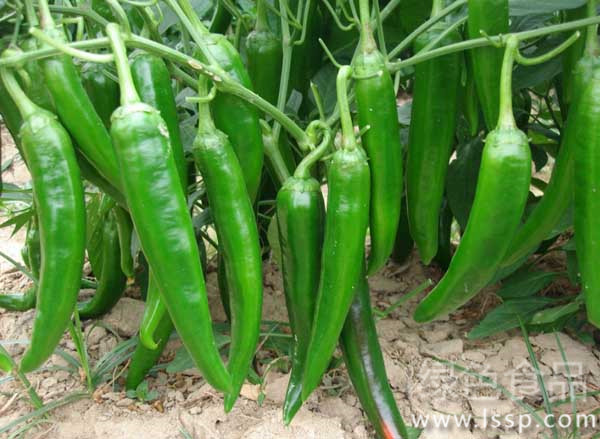
Pepper
1. Choosing land and making beds.Choose a plot with fertile soil, sheltered from the wind and facing the sun, where tomatoes or eggplants were not planted in the previous season, and build a sun-facing bed. For every 1 mu of peppers planted, raise seedlings using 150 grams of seed.
2. Scientific fertilization.Apply sufficient base fertilizer, use plenty of water to build up soil moisture, and use a small amount of urea, phosphate fertilizer and active potassium fertilizer. Because the sun-facing bed is sealed, do not apply ammonium sulfate or ammonium bicarbonate as base fertilizer, so as to avoid producing ammonia gas that harms the pepper seedlings.
3. Reasonable sowing.Water thoroughly to wet the bottom soil, apply fertilizer, level the land, sow pepper seeds evenly by broadcasting, cover with fine soil 0.5-0.8 cm deep, no more than 1 cm, then cover with plastic mulch, and seal the sun-facing bed tightly with plastic film. During the day the temperature should be kept at around 25°C, and at night at around 12-15°C. After 60-70% of the seedlings emerge, remove the plastic mulch. Pay attention to keeping moisture, and use a fine watering can to spray the pepper seedlings evenly with water to increase humidity; never use flood irrigation.