Three key elements to master when transplanting spring vegetables
For solanaceous and cucurbit vegetables grown in protected cultivation, the transplanting time is from late February to March in early spring, while vegetables grown in open fields with plastic film mulching are transplanted from late March to April. At this time, the temperature is still low, the light is weak, and sometimes late frost may strike; all of these affect the quality of vegetable transplanting. Therefore, when early spring vegetable seedlings are being prepared for transplanting, three things must be observed, and none can be omitted.
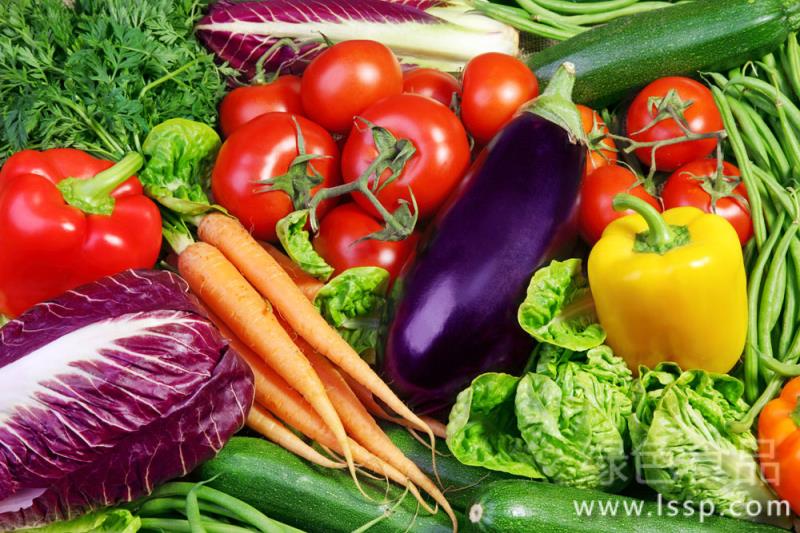
Vegetables
Watch the weather:When transplanting solanaceous and cucurbit vegetables, follow the principle of "the tail of a cold spell and the head of a warm one," which can both avoid frost damage and help achieve early maturity. Transplanting should be done on a sunny morning; for vegetables grown under protected cultivation, it is best to transplant and plant them in place at the same time, and cover the shed immediately after planting. If the weather is bad, even if the seedlings are very strong, they must not be transplanted, because transplanting would affect the quality of planting.
Watch the soil:Solanaceous and cucurbit vegetables should be transplanted when the soil is appropriately moist but not too wet; this kind of soil is favorable for the survival of vegetable seedlings. Whether the vegetable seedlings are grown under protected cultivation or in open fields, after transplanting they must be covered with plastic film to retain heat and preserve soil moisture. On the day before transplanting, water the seedbed or nutrient pots thoroughly, so that during transplanting the seedlings can be moved with soil and the roots will not be damaged. Even if the seedlings are overage, planting must still be ensured under the precondition that the soil is appropriately moist.
Watch the seedlings:For solanaceous and cucurbit vegetables, strong vegetable seedlings should be selected for transplanting. Strong seedlings can resist low temperatures and late frost, and can also grow vigorously early. Before transplanting, hardening measures should be taken so that the vegetable seedlings can quickly adapt to the new environment after transplanting. When transplanting, move the seedlings with soil, fertilizer, water, and medicine, which is beneficial for the strong growth of the seedlings. If the seedlings are weak, even if the soil meets the condition of appropriate moisture and the weather is good, they must not be transplanted and planted too early, because after transplanting, such seedlings have poor stress resistance, which will cause missing plants and broken rows, affecting yield.