Grape watering has its tricks: seize the six key periods for good results
When watering mature grapevines, growers should accurately target these 6 periods: the budding period, the pre-flowering period, the post-flowering period, the berry period, the berry swelling period, and after grape harvest. Of course, attention should also be paid to increasing or decreasing the number of waterings according to the amount of precipitation in that year.
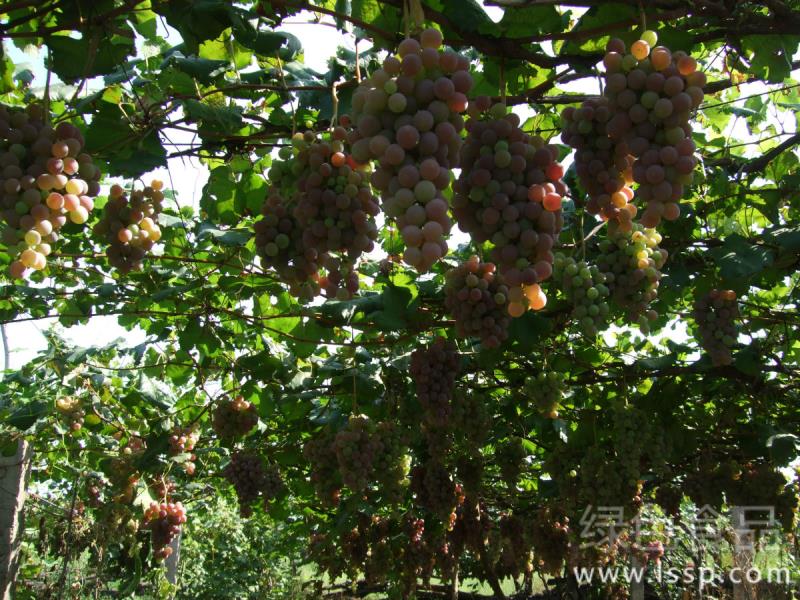
Grapes
1. Budding period: watering should be done during the period from when the grapes are uncovered from the soil to before they sprout and send out shoots. In dry areas with little spring rain, a thorough watering should also be given, because the water needs of grape budding and shoot growth must be met.
2. Pre-flowering and post-flowering periods: during both the pre-flowering and post-flowering periods, give a thorough watering at intervals of about 10 days. Pre-flowering watering is carried out together with the application of flower-promoting fertilizer; the grape roots quickly absorb the fertilizer dissolved in the water, which has a clear effect on promoting the rapid growth of flower clusters, ovaries and pollen and on improving grape pollination and fruit set rates.
3. Berry period: when the grape berries grow to the size of soybean grains, the new shoots are also growing vigorously. At this time, as temperatures keep rising, the water evaporation from grape leaves becomes greater and greater, and nutrients and water are urgently needed. Therefore, watering in late June should be combined with the application of fruit-promoting fertilizer. When there is little summer rain, water once every 7 to 8 days to meet the needs of new shoot and berry growth.
4. Berry swelling period: during the berry swelling period, one watering before the berries ripen, combined with fertilization, can effectively supplement the water needed in the later stage of grape growth and promote the ripening of the fruit clusters.
5. Post-harvest period: after the fruit is harvested and before cold protection, water 2 to 3 times to improve soil moisture, promote the growth and development of the grape root system, moisten the canes and prevent them from drying out. In dry areas, after watering for overwintering and freezing protection, be sure to let it air for 2 to 3 days, and wait until the surface soil of the vineyard is dry before burying the soil for cold protection, so as to prevent excessive soil moisture in the vineyard from causing bud rot.
It should be noted that during the flowering period and the berry ripening period, grapes generally should not be watered. If heavy rain occurs, standing water in the vineyard should also be drained promptly, because watering at this time may cause flower and fruit drop and reduce quality.