High-Quality, High-Yield Cultivation Techniques for Spring Fresh Soybeans
Fresh soybeans are also called edamame or vegetable soybeans. Because fresh soybeans are rich in nutrients and delicious, they are favored by more and more consumers. In recent years, demand for fresh soybeans has continued to increase, and growing fresh soybeans has become one of the ways farmers increase their income, especially by cultivating early and bringing them to market early to seize a head start in the market. The cultivation techniques for spring fresh soybeans are introduced as follows:
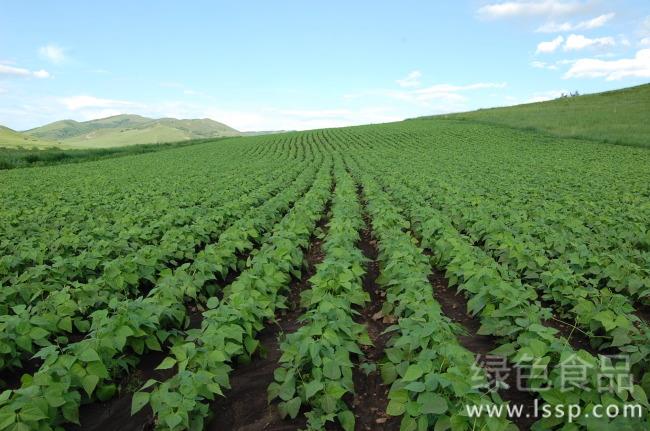
Soybean
I. Characteristics of Fresh Soybeans
Soybeans like warmth. Seeds begin to germinate at 10-12°C, with 15-20°C being the most suitable; the suitable temperature during the growing period is 20-25°C, and the suitable temperature during the flowering and pod-setting period is 20-28°C. At low temperatures, pod-setting is delayed; when the temperature is below 14°C, soybeans cannot flower, and when the temperature is too high, the soybean plants will end their growth prematurely. Soybean seeds need a relatively large amount of water when germinating. During the flowering period, soybeans require the soil moisture content to be 70%-80%, otherwise the rate of flower bud drop will increase. Before flowering, soybeans take up less than 15% of the total fertilizer, while during the flowering and pod-setting period, soybeans take up more than 80% of the total fertilizer uptake.
II. Key Cultivation Points
1. Soil selection.
Soybeans have a well-developed root system, so the soil for planting should be selected with deep soil layers, medium or higher fertility, and drainage and irrigation conditions.
2. Timely sowing.
Soybeans grown in open fields with plastic film mulching are generally sown in mid-to-late March and harvested in mid-June. Direct sowing can begin from early-to-mid April, with 2-3 seeds per hole.
3. Reasonable close planting.
Soybeans are planted using small beds and narrow rows. The bed width including the ditch is about 80 cm, the row spacing for double-row hole sowing is about 40 cm, and the hole spacing between soybeans is about 20 cm. The soil cover should not be too thick, otherwise the seeds are prone to rot and it is difficult for them to emerge.
4. Scientific fertilization.
Apply 150-200 jin of superphosphate per mu as base fertilizer. Within one week after the soybeans emerge, apply the first fertilizer: 30 jin of ammonium bicarbonate and 30 jin of superphosphate per mu, mix evenly, add 3 jin of water per load, and pour it in the middle of the bed; after one week, apply the second fertilizer: 40-50 jin of ammonium bicarbonate and 30 jin of superphosphate per mu, mix evenly, add 4-5 jin per load of water, and pour it in the middle of the bed; about 30 days after the soybeans emerge (early flowering stage), broadcast in the middle of the bed 10-15 jin of urea and 30 jin of compound fertilizer per mu, evenly mixed. After that, supplement fertilizer according to plant growth. After each fertilization, irrigate the soybeans once with half a ditch of water.
5. Field management.
After emergence, when the plants have grown to two compound leaves, carry out the first intertillage for the soybeans to promote root growth; at the late branching stage, carry out the second intertillage in combination with clearing the ditches and hilling up the soil. At the early pod stage, attention should be paid to preventing field rats; at the pod-filling stage, attention should be paid to draining accumulated water from the field to prevent pod rot and ensure high soybean yields.
6. Disease and pest control. For underground pests, the best method is applying phoxim granules into the holes.