It's the right time for early rice transplanting: key points of paddy field leveling and transplanting techniques
In the first few days of April this year, the weather swung between summer and winter, but after the 10th, the weather in various places clearly improved and began to warm up, which also marks that southern regions are about to enter the early rice transplanting season. Timely transplanting, applying good base fertilizer, and improving transplanting quality are the basic steps to ensure high yields of early rice. For this reason, the editor has put together the key technical points for grain farmers:
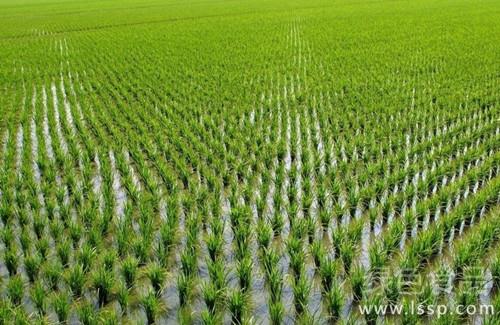
Early rice
I. Level the field in time and ensure quality.The field should be tilled and leveled with little water during the cold wave before early rice transplanting, and transplanting should be done early on sunny days once the weather improves. Fields tilled with a rotary tiller must be leveled with moderately soft mud, leaving only water that just covers the mud. For machine transplanting, the field must be left to settle for 1-3 days after leveling before machine transplanting, to ensure shallow planting and early growth. For seedling throwing, the field can be thrown once the mud has settled slightly.
II. Apply base fertilizer scientifically to promote tillering.Early rice seedlings must be encouraged to tiller to ensure enough effective panicles for a high yield, so sufficient nitrogen fertilizer must be applied as base fertilizer. Generally, during tillage and leveling, apply 80-100 jin of ammonium bicarbonate and 60-80 jin of Zhuzhou-produced calcium superphosphate per mu, or 50 jin of 40% high-content compound fertilizer plus 10-15 jin of urea as base fertilizer. Ammonium bicarbonate and compound fertilizer should be applied deep during tillage, while phosphate fertilizer and urea should be applied on the surface when leveling the field, to improve the early rice's fertilizer use efficiency.
III. Improve transplanting quality to ensure a bumper harvest.3-5 days before early rice transplanting, when the film is removed to harden the early rice seedlings, apply 6-8 liang of urea per mu to the seedling trays in batches according to the field throwing schedule as "marriage fertilizer." Note that "marriage fertilizer" should not be applied too early or too late, so as to help the early rice grow quickly after transplanting.
Transplanting early rice
Seedling throwing cultivation: First, seize every moment and throw the seedlings at the right time; when the early rice seedlings have three full leaves, pay attention to throwing them as early as possible on sunny or cloudy days, and do not throw seedlings into strong wind or heavy rain, so as to promote early growth in the field and prevent stagnant seedlings. Second, throw strictly according to plan; based on the number of seedlings available, plan in advance the number of seedling trays for each early rice field, ensuring that enough tray seedlings are evenly thrown in each field, with neither too many nor too few seedlings. Third, throw according to field conditions; throw at the right time based on the soil properties of the early rice field, ensuring the seedlings enter the mud to an appropriate depth, neither too shallow nor too deep. Fourth, throw carefully; use spot throwing as much as possible, and if broadcasting, also throw in three rounds: first throw 70% over the whole field, second throw 20% to fill gaps, and third throw 10% to fill gaps again, ensuring even distribution of early rice seedlings in the field. Fifth, pick out working rows; generally, about every 3 meters, stretch a rope and, while moving dense seedlings to fill sparse spots, pick out a working row to facilitate future field operations such as pesticide application. Sixth, expose the field to establish seedlings; do not irrigate for 2-3 days after throwing early rice, and let the seedlings be exposed to promote early rooting and early seedling establishment.
Machine transplanting cultivation: First, use a 7-inch rice transplanter and fill in missing seedlings promptly after transplanting, ensuring 20,000 hills per mu. Second, transplant early on sunny days when the early rice seedlings have fully unfolded 3 leaves, to improve tillering ability. Third, transplant appropriately slowly to reduce root damage and ensure the number of seedlings per hill. Fourth, before transplanting, remove seedling trays with missing blocks caused by seedling rot, and transplant early rice by field according to seedling appearance, reducing missing hills and promoting balanced growth. Fifth, transplant as shallowly as possible by every means, and expose the field after transplanting to promote root growth and improve the resistance of early rice.