How to prevent pesticide damage to fruit trees? When preventing pests and diseases, even more attention must be paid to preventing pesticide damage
In rural areas, some fruit growers lack knowledge about pesticide use, and when they spray pesticides on fruit trees, pesticide damage occurs. This not only scorches large numbers of leaves and tender shoots, affecting the growth of the fruit trees, but also causes pesticide rust on the surface of the fruit, reducing the value of the fruit. Fruit trees must not only be protected from pests and diseases, but even more from pesticide damage.
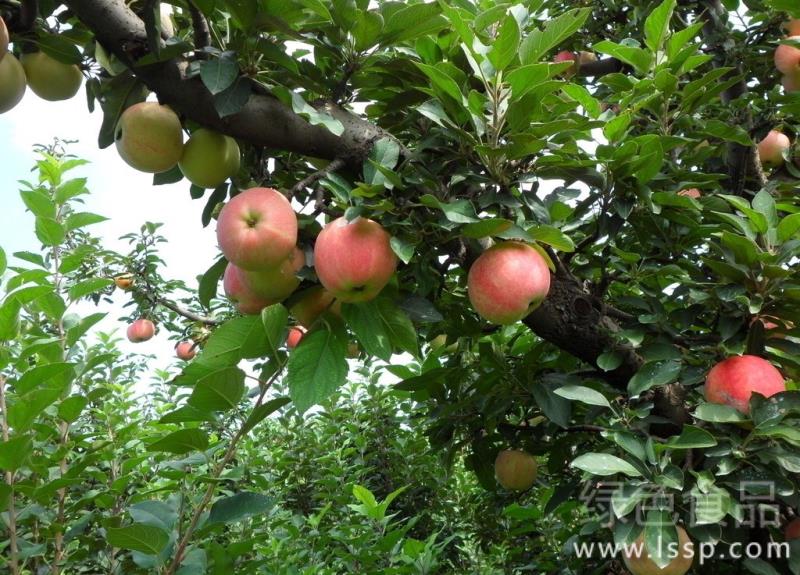
Fruit trees
1. Do not use pesticides blindly or indiscriminately.Use the right pesticide for the symptoms according to the pests and diseases affecting the fruit trees. The characteristics of fruit tree pests and diseases differ, and their resistance to pesticides also differs. Blindly following the crowd is bound to cause pesticide damage to fruit trees. For example, stone fruits and kiwifruit are very sensitive to trichlorfon and dichlorvos; peach trees are very sensitive to phosphamidon; kiwifruit is very sensitive to omethoate and dimethoate; Dangshan crisp pear at the young fruit stage is also very sensitive to Bordeaux mixture and flusilazole; the young tender tissues of peach, grape and plum are also very sensitive to high-dose Bordeaux mixture. If pesticides are used blindly and indiscriminately when spraying, pesticide damage to fruit trees will result.
2. Do not mix the pesticide solution at too high a concentration.The pesticide solution must be prepared according to the concentration range on the label. Measuring emulsifiable concentrates and aqueous solutions with the pesticide bottle cap, and measuring powder pesticides with a matchbox, are rough preparation methods and are all inaccurate. If the concentration is too low, it will be ineffective against pests and diseases; if the concentration is too high, pesticide damage to fruit trees will occur.
3. Avoid mixing pesticides indiscriminately.Some can be mixed for spraying, but some pesticides cannot be mixed; when some acidic and alkaline pesticides are mixed, the efficacy is reduced, and a precipitate is produced, making spraying difficult. Some pesticides, after being mixed, are prone to causing pesticide damage when sprayed on fruit trees. For example, when Bordeaux mixture is mixed with lime sulfur, water-soluble copper increases, and after spraying it is most likely to cause pesticide damage to fruit trees.
4. Avoid spraying Bordeaux mixture before rainfall.Generally, before spraying pesticides, listen to the weather forecast. If it will rain that day, do not spray, especially before rainfall. If Bordeaux mixture is sprayed, the lime on the fruit surface is washed off by the rain, leaving copper sulfate ions to irritate the young fruit skin, causing pesticide damage and forming mottled apples that lose their commercial value.
5. Avoid spraying pesticides in dry, high-temperature weather.Generally, the suitable temperature for pesticides is 20°C to 30°C, and at most it should not exceed 32°C. This is because most pesticides, when sprayed in excessively dry weather with too high a temperature, evaporate quickly, the pesticide concentration increases, and the fruit trees absorb quickly, have strong metabolism, and their resistance decreases. Therefore, pesticide damage is likely to occur. So the safe and effective times to use pesticides are before 10 a.m. and after 3 p.m. However, some pesticides such as lime sulfur are exceptions, as this type of pesticide has a greater killing effect on pests and diseases at high temperatures.