Improper use of tomato foliar fertilizer easily causes phytotoxicity; how should it be sprayed correctly?
Tomato foliar fertilization takes effect quickly, is simple and easy to carry out, and can increase tomato yield. However, improper use can also easily cause phytotoxicity, so the following issues should be noted in tomato foliar fertilization:
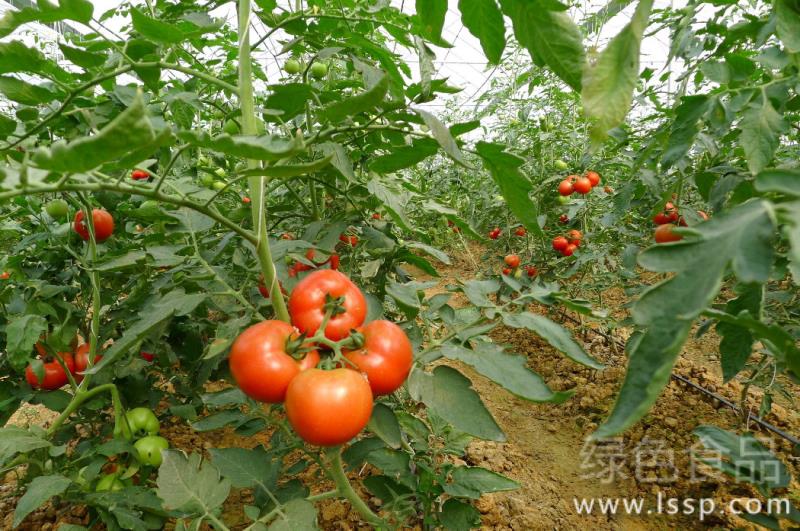
Tomato
I. Foliar fertilizer type determined according to tomato nutritional status
In the early fruiting stage of tomato, the plants grow vigorously and are prone to excessive vegetative growth, so foliar nutrient fertilizers that promote stem and leaf growth should be used sparingly; compound fertilizer, monopotassium phosphate, etc. can be selected. In the full fruiting stage, tomato plants begin to decline in vigor, so foliar nutrient fertilizers that promote stem and leaf growth should be used more to promote the vines and protect the leaves; urea, monopotassium phosphate, and various special tomato foliar nutrient solutions can be selected.
II. Nutrient type determined according to weather conditions
During continuous cloudy weather, photosynthesis is limited and light in the greenhouse is insufficient, so tomato foliar titanium micronutrient fertilizer has a relatively good effect.
III. Foliar fertilization concentration must be well controlled
If the foliar fertilizer concentration is too high, fertilizer damage and toxic symptoms occur; if the concentration is too low, the purpose of topdressing cannot be achieved. Suitable spray concentrations for fertilizers commonly used on tomato: monopotassium phosphate 0.2%—0.5%, urea 0.5%—1%, calcium chloride 0.3%—0.5%, magnesium sulfate 0.1%—0.2%, borax 0.01%—0.2%, zinc sulfate 0.05%—0.2%, etc.
IV. Apply calcium fertilizer to tomato foliage in a timely manner
Tomato is prone to blossom-end rot when deficient in calcium. To meet the tomato's need for calcium, calcium fertilizers such as calcium chloride should be sprayed during the fruiting stage.
V. The application time of tomato foliar fertilizer should be appropriate
It should be sprayed in the morning and evening to avoid burning leaves and seedlings. Tomato foliar spraying should be done every 5—7 days; the spraying interval for organic nutrients is somewhat shorter, generally about 5 days.
VI. Tomato foliar fertilizer should be sprayed mainly on the underside of the leaves
Because tomato stomata and hydathodes are mostly on the underside of the leaves, foliar fertilizer sprayed on the underside of tomato leaves has a high absorption rate.