What are the functions and uses of plant growth regulators?
What are plant growth regulators used for? Please explain. Ripening agents and swelling agents are both types of plant growth regulators. Plant growth regulators include compounds synthesized to mimic natural substances and natural plant hormones extracted from organisms; they are a class of substances that inhibit and promote plant growth and development, and are currently...
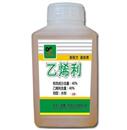
What are plant growth regulators used for? Please explain.
Ripening agents or swelling agents are both types of plant growth regulators. Plant growth regulators include compounds synthesized to mimic natural substances and natural plant hormones extracted from organisms; they are a class of substances that inhibit and promote plant growth and development, and are currently widely used in agricultural production worldwide. Ripening agents and swelling agents are both common names the public has given to certain products based on the effects of plant growth regulators. As the name suggests, the effect of a ripening agent is to speed up fruit ripening. Take ethephon, a type of ripening agent, as an example: its main effect is to promote fruit ripening by releasing ethylene, and ethylene itself is also a substance present in plants that promotes fruit ripening. There is a little everyday trick: put unripe bananas and persimmons together with ripe apples, and after a few days the bananas and persimmons become soft and tasty. This is actually the ethylene released by the apples ripening the bananas and persimmons.
Not all vegetables and fruits need plant growth regulators.
In fact, not all vegetables and fruits need ripening agents, swelling agents or other plant growth regulators. For example, ripening agents are mainly used in the post-harvest stage for bananas and mangoes; swelling agents are mainly used for some older varieties of kiwifruit and grapes, as well as melons produced in greenhouses and plastic tunnels in winter and spring, while other vegetables and fruits do not require their use in production.
The fact that some fruits do not taste good cannot be simply attributed to plant growth regulators.
The factors affecting whether a fruit tastes good are very complex. There are reasons related to the variety itself, such as "Red Fuji" apples being on the sweet side and suiting most people's tastes, so their flavor is simply better than other varieties; there is also the influence of the production environment, for example, the northwest region represented by ** has ample sunlight and a large temperature difference between day and night, so the melons and fruits produced there have a higher sugar content than those from other regions, and simply taste better. There are also differences in cultivation techniques: with appropriate planting density, soil testing and formulated fertilization, especially applying more organic fertilizer, and reasonable watering, the fruits produced have high sweetness and good flavor and taste good; on the contrary, if the planting density is too high, if no attention is paid to increasing organic fertilizer, and if large amounts of nitrogen fertilizer are applied one-sidedly, this is not conducive to the accumulation of sugars and the formation of flavor in the fruit, so it does not taste good. In addition, blindly pursuing high yields and using greenhouses and plastic tunnels to rush early production and marketing is also one of the reasons why the quality of some fruits declines significantly and they do not taste good.
"Turn red with one swipe," "thicken with one swipe" - plant growth regulators are not that magical. Plant growth regulators are only used when necessary, and not all vegetables and fruits use them. Even agricultural products that have used plant growth regulators are safe, and eating them will not harm people's health. According to China's "Regulations on Pesticide Registration Data," each plant growth regulator must undergo more than 2 years of residue trials in different ecological regions of China before registration. Only when the trial results prove that the residue levels in vegetables and fruits will not pose a risk to human health will it be approved for use. When evaluating whether a plant growth regulator can be registered and whether it can be used, ensuring human health and safety is the first priority; products that pose a risk to human health and safety will not be approved for registration.
Click to get more regulator application techniques
Click to get more pesticide application techniques