What are the remedial measures for herbicide phytotoxicity in tobacco leaves?
What should be done when herbicides cause phytotoxicity to tobacco leaves? What methods can be used to treat it? Some herbicides are widely used for weed control in rice fields or tobacco fields, especially in rice fields, where some farmers often apply high concentrations of herbicides. If tobacco is planted the following season, residual herbicides often cause phytotoxicity to tobacco leaves. In addition, the selectivity of herbicides...
What should be done when herbicides cause phytotoxicity to tobacco leaves? What methods can be used to treat it?
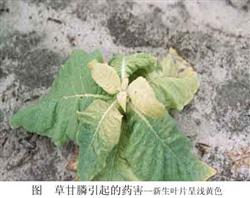
Some herbicides are widely used for weed control in rice fields or tobacco fields, especially in rice fields, where some farmers often apply high concentrations of herbicides. If tobacco is planted the following season, residual herbicides often cause phytotoxicity to tobacco leaves. In addition, herbicides are highly selective, and different varieties differ in their physicochemical properties, sites of action, and mechanisms of action. In particular, farmers do not pay much attention to herbicide dosage and application techniques during use, making herbicide phytotoxicity likely. The main symptoms of phytotoxicity are: leaf deformity, yellowing, albinism, etc.; some resemble daylily flowers, mosaic patterns, or mouse tails; old leaves scorch while new leaves remain normal; growth stagnates, seedlings shrivel, plants become stunted, and in severe cases death occurs.
I. Measures to prevent herbicide phytotoxicity
1. Accurately select the herbicide variety.
2. Master the application techniques and key operating points of herbicides.
3. Strictly control the dosage and concentration of herbicides.
4. Spray evenly and in a targeted manner to improve application quality.
5. Do not arbitrarily mix herbicides with other insecticides or fungicides.
6. Clean spraying equipment promptly after spraying herbicides.
II. Remedial measures for herbicide phytotoxicity
After using herbicides, carefully observe tobacco growth. When abnormal tobacco growth appears, quickly determine whether it is tobacco disease or herbicide phytotoxicity. If the phytotoxicity is caused by herbicides, analyze the degree of phytotoxicity. When phytotoxicity is severe, the only options are to switch to other crops or replant; if the symptoms are moderate, or within a range that tobacco production can tolerate, the following measures can be considered for remediation.
1. After phytotoxicity occurs, promptly spray Tianda 2116 tobacco-specific formula, which plays an important role in eliminating or alleviating herbicide phytotoxicity.
2. Strengthen farming management, including irrigation, drainage, and loosening the soil, to promote tobacco growth and accelerate herbicide degradation.
3. Plant ash or lime or plant growth regulators can be used to promote tobacco growth.
4. Apply quick-acting chemical fertilizers or foliar fertilizers. Potassium dihydrogen phosphate or Pen Shibao has a certain alleviating effect on the phytotoxicity of some herbicides.
Click to get more herbicide application techniques
Click to get more pesticide application techniques
Click to get more tobacco planting techniques