Causes of Poor Color Development and Yellowing in Tomatoes and Control Methods
Poor color development in tomatoes is mainly caused by temperature, light exposure, fertilization and other factors:
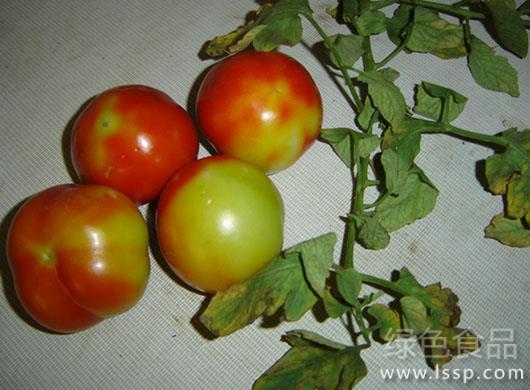
Poor color development and yellowing in tomatoes
1. Temperature.Tomato coloring is the decomposition of chlorophyll and the formation of lycopene and carotenoids. If the temperature is too high or too low, generally speaking, when the temperature is above 30°C or below 10°C, the formation of lycopene will be affected. The best coloring of tomatoes occurs at 18°C to 26°C. When the daytime temperature is above 32°C, tomatoes grow and ripen quickly, but the formation of lycopene will be affected, thus affecting coloring. Especially in June in summer, the temperature inside the arch shed is high and lasts for a long time. This is exactly the tomato fruit swelling and color-turning period, but high temperature affects the formation of lycopene, causing tomatoes to turn yellow instead of red.
2. Light exposure. The coloring of tomatoes is also greatly related to light. If the planting density of tomatoes is too high, the tomato plants will shade each other, so the tomatoes cannot get sufficient light, resulting in poor coloring, green-shouldered fruit, and uneven coloring.
3. Fertilization.Excessive application of nitrogen fertilizer and excessive vegetative growth make it difficult for tomatoes to color.
During the coloring period of tomatoes, especially the reddening stage, if too much nitrogen fertilizer is applied, chlorophyll will increase, thereby delaying or slowing down chlorophyll decomposition, affecting the formation of lycopene and carotene in tomatoes, and affecting tomato coloring. Excessive nitrogen fertilizer aggravates the green shoulder phenomenon in tomatoes. At the same time, if potassium fertilizer is insufficient, tomatoes are also prone to yellow-green fruit shoulders.
Control measures:
1. When entering the high-temperature period, increase ventilation and light penetration for tomatoes and lower the temperature inside the shed.
2. When planting, keep row spacing for tomato plants, and do not plant too densely.
3. During the fruit-setting period, reduce the amount of nitrogen fertilizer applied, pay attention to the combined use of nitrogen, phosphorus, and potassium fertilizers, and at the same time spray chitin + 0.2% monopotassium phosphate + micro-fertilizers containing calcium, boron, etc. on the leaves during the tomato swelling period to promote balanced tomato growth.