Citrus Summer Management Enters a Critical Period: These Technical Measures Must Be Done Well
Summer is an important period for citrus management. It is the fastest and best season for young trees to send out summer shoots, and it is also a critical period for fruit-bearing trees to protect fruit and prevent disease. At this time, citrus is in the fruit expansion period, and it is also in a high-temperature and rainy season. With high temperature and high humidity, citrus pests and diseases occur frequently. To ensure high quality, increased yield, and increased income of citrus, strengthen the management of citrus orchards in summer.
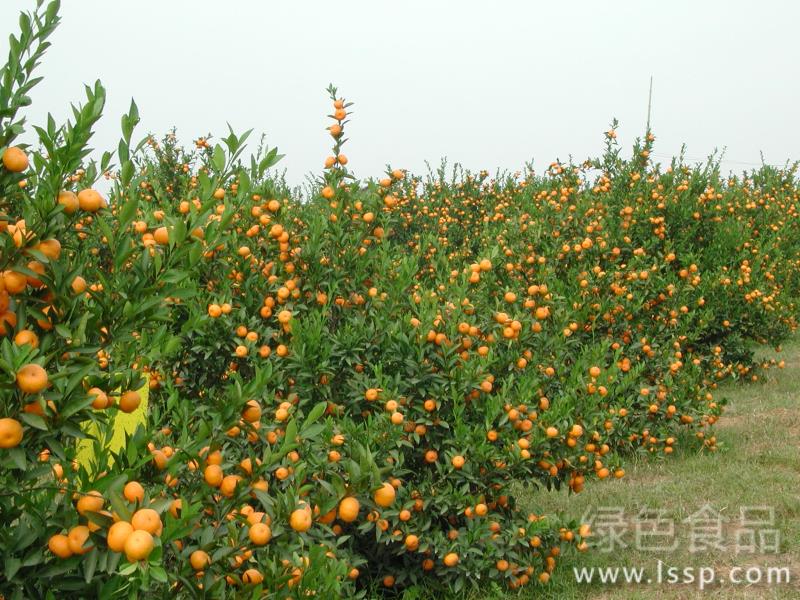
Citrus
I. Apply sufficient fertilizer to promote tree growth and protect fruit.During the citrus expansion period, the root system has a strong ability to absorb fertilizer. Applying sufficient fertilizer can promote tree vigor and fruit development and reduce fruit drop. Apply slow-release fertilizer deeply. According to the age and fruit load of each fruit-bearing citrus tree, apply 20-25 kg of livestock and poultry manure, 1-15 kg of cake fertilizer, and 0.5-1 kg of superphosphate or bone meal per tree. Apply quick-acting fertilizer at the right time. About 15 days before shoot emergence, apply 25-50 kg of decomposed manure water per tree, plus 0.5-1 kg of composted cake fertilizer and 150-250 g of urea. For fruit-bearing citrus trees, carry out 1—2 foliar topdressings, spraying the leaves with 0.2% urea and 0.2% potassium dihydrogen phosphate. Spray whatever nutrient the new leaves are deficient in. During high temperature and drought, spraying hormones can promote cell division in the citrus root system, improve absorption capacity, and prevent fruit drop.
II. Strengthen water management for drought resistance and cooling.Mountain citrus orchards should repair the irrigation and drainage system, reinforce orchard walls, and clear drainage ditches to prevent rainstorm erosion and protect soil and water. Do a good job of drought resistance and cooling to prevent fruit drop caused by high temperature. When citrus growth exceeds 35°C, photosynthesis weakens and physiological functions are hindered. Therefore, when high temperature comes and leaves curl, water should be introduced into the citrus orchard in time to regulate temperature and increase humidity with water. Sprinkler irrigation can be used to increase the humidity of the air and soil. Also carry out intertillage and soil loosening to cut soil capillaries and improve the water- and fertilizer-retaining capacity of citrus trees, thereby improving the microclimate of the citrus orchard, reducing fruit drop, and promoting fruit development. In extreme heat, cover the orchard floor with grass cut in advance to reduce direct sunlight and water evaporation, lower surface soil temperature, protect the root group, enhance root vitality, and reduce the fruit drop rate.
III. Remove summer shoots and promote autumn shoots.Remove the summer shoots of fruit-bearing citrus trees until just before releasing autumn shoots, to reduce nutrient consumption and ensure robust autumn shoots. For old trees and trees with a large fruit load, autumn shoots should be released earlier; for young trees, low-yield trees, and non-bearing trees, it can be slightly later. Release autumn shoots from late July to mid-August. For sweet oranges, release shoots in August.
Citrus Pest and Disease Control
IV. Control pests and diseases to promote high yield and high quality.During July and August, as citrus fruit expands, fruit-sucking noctuid moths can cause a large amount of fruit drop; rust mites cause leaf drop, and citrus turns purplish brown; red spider mites cause citrus trees to decline, with fallen leaves and bare branches, making the leaves appear white-gray; leafminers harm new shoots, and the larvae bore into the epidermis of tender leaves to feed, causing leaves to curl and affecting growth. In response, in addition to strengthening soil management, frequent irrigation, and protecting trees and fruit, when rust mites occur, spray with 80% zineb at 600 times dilution, or dicofol at 500 times dilution; for leafminers, spray with 50% dichlorvos at 800 times dilution or 90% trichlorfon at 1000 times dilution combined with 0.2 degree lime sulfur mixture for control. Fruit-sucking noctuid moths occur frequently around August and should be controlled in a timely manner. Wild plants inside and outside the citrus orchard can be cleared away, and on muggy nights, manual capture is also very effective.
The main citrus diseases are canker, scab, and anthracnose, and prevention should be the priority. If disease occurs, spray Bordeaux mixture at 1:1:100, or 50% carbendazim, thiophanate-methyl at 800 times dilution, or 50% thiram at 600 times dilution.