It Is Hard to Cure Once Infected with Ginger Bacterial Wilt: How to Prevent and Control Ginger Bacterial Wilt
Ginger bacterial wilt is a soil-borne disease that is prone to occur during the ginger rhizome swelling stage, causing plants to wither and die and spreading rapidly. Ginger bacterial wilt must be prevented first; once infection occurs, it is very difficult to control and very difficult to cure. The following measures can be taken to prevent and control ginger bacterial wilt.
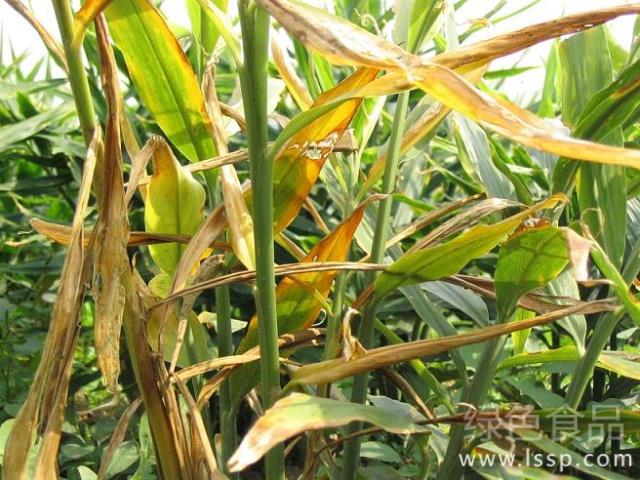
Ginger bacterial wilt
I. Disinfection of ginger seed.Before planting, soak the ginger seed in a 600-fold 80% carbendazim aqueous solution for 2--3 hours, take it out, let the water dry, and then plant it, in order to kill the pathogens attached to the ginger seed.
II. Soil disinfection.For the land where ginger is to be planted, when digging the holes before planting, use a 600-fold 80% fenaminosulf aqueous solution to drench the soil in the planting holes. Drench each hole with about 1—1.5 kg. After planting, when earthing up to cover the ginger seed, spray the covering soil with a 1000-fold 80% zineb aqueous solution. This kills the pathogens attached to the soil.
III. Drenching roots with medicinal liquid.After the ginger seedlings emerge from the soil, drench the roots with 600-fold 50% quintozene, about 2 kg per plant, evenly drenching the soil around the roots of the ginger seedlings.
IV. Applying biological bacterial fertilizer.In combination with earthing up and fertilizing, add biological bacterial fertilizer at each fertilization. Apply about 50 grams per ginger plant each time. This can improve the plant's resistance to ginger bacterial wilt and effectively suppress the occurrence and damage of ginger bacterial wilt.
V. Spraying medicine on the leaves and topdressing on the leaves.During the growth and development of ginger, in old disease areas, spray medicine on the leaves once every 15--20 days. A mixed liquid of 1000-fold 0.5% dimethyl disulfide, 1000-fold 80% mancozeb, 1000-fold natural brassin, and 1000-fold amino acid sugar phospholipid can be used, evenly spraying all the stems and leaves of the ginger until water droplets begin to drip down. It can both kill insects and prevent disease, and supplement nutrients, enhancing the disease resistance of ginger plants.