How to prevent and control watermelon vines growing wildly and consuming nutrients?
June to July is the critical period for open-field watermelons to flower and set fruit. Due to high temperatures and frequent rain, combined with improper fertilization, watermelon plants are very prone to excessive vegetative growth, namely "wild vines." Measures should be taken early to control excessive growth.
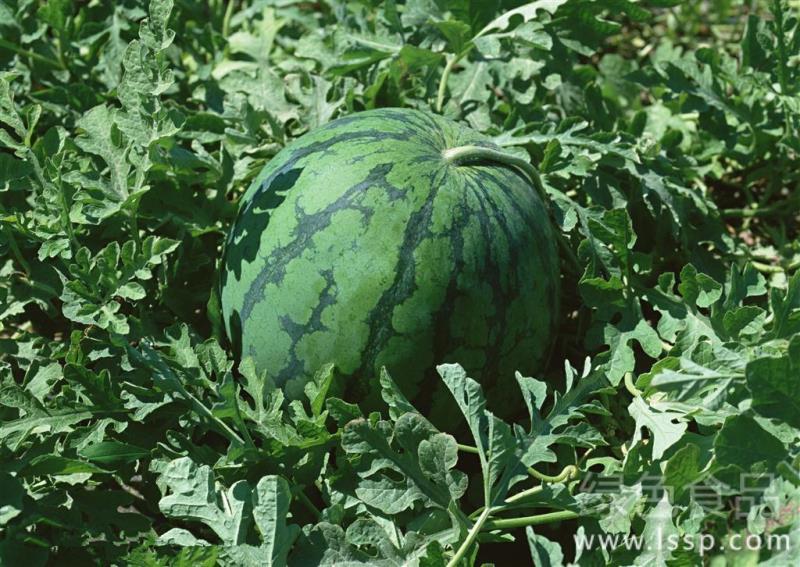
Watermelon
Double-furrow fertilization:If watermelon fertilization is too concentrated, it will not only easily burn the seedlings but also very easily cause "wild vines." The double-furrow fertilization method can effectively prevent seedling burn and "wild vines." The specific method: open two furrows 20-30 cm apart, each 20-30 cm deep and wide, apply the fertilizer into the two furrows separately, then form ridges after fertilizing, and plant the watermelon between the two fertilizer furrows. In this way, the watermelon seedlings can absorb part of the fertilizer, and the seedlings grow strong but not excessively.
Heavy pressing of the growing tip:If the tender stem of the watermelon is sticking up high, dig a relatively deep vine-pressing trench in the ground near the stem tip of the watermelon plant, press the tender stem into the trench, and let the stem tip remain exposed 5-10 cm above the vine-pressing trench. This can effectively control the apical dominance of the watermelon, inhibit excessive vegetative growth of the plant, and increase the fruit-setting rate during the flowering period.
Coiling the head and pinching the tip:After the watermelon enters the expansion stage, the vines in front of the fruit should be properly restrained so that they do not grow excessively and waste nutrients. The method is to pull back the vines in front of the watermelon fruit, coil them on one side of the watermelon, and pinch off the vine tips. After this treatment, the growth of the watermelon plant will be temporarily inhibited, but it will not hinder the later growth and development of the watermelon.