Sweet peppers easily drop flowers and fruit in rainy conditions, so how can you manage them well during the rainy season?
Summer's high temperatures and frequent rainfall are unfavorable for sweet pepper growth and development, often leading to nutritional imbalance in sweet pepper plants, slow growth, yellowing and shedding of leaves, and dropping of flowers and fruit. Diseases occur and spread easily, causing reduced yields or even total crop loss, and lowering sweet pepper quality. However, because August to September is the off-season for sweet pepper supply, prices are high and sales are fast, giving good economic returns. If cultivation management of sweet peppers is strengthened during this period, soil conditions are improved, and plant resistance is enhanced, the degree of summer dormancy in sweet peppers can be alleviated, allowing them to grow and develop normally. You can start with the following points:
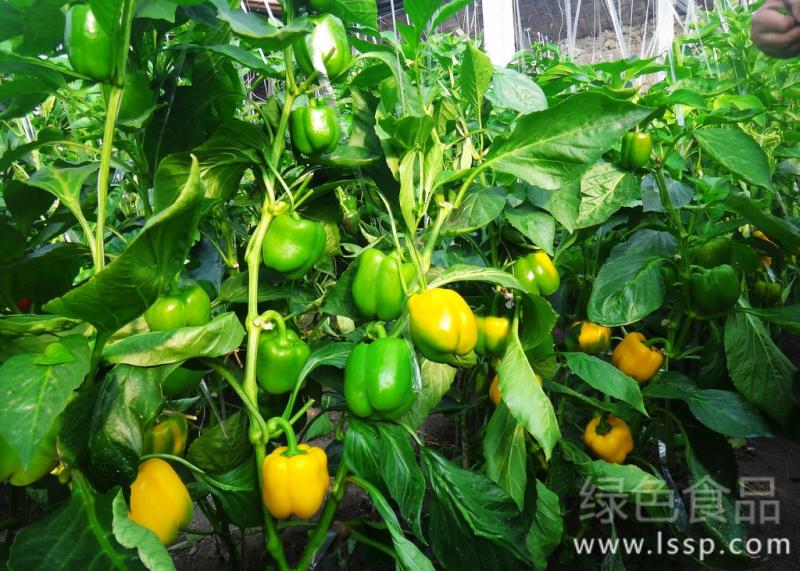
Sweet pepper
Apply heavy chemical fertilizer:Before the rainy season arrives, apply a heavy dose of chemical fertilizer once. For each mu of sweet peppers, apply 25-30 kg of diammonium sulfate or 15-20 kg of urea to prevent fertilizer deficiency during the rainy season. Alternatively, after each heavy rain, apply 5 kg of urea per mu as a top dressing. When top dressing, spread the chemical fertilizer evenly over the field surface, and never scatter it on the sweet pepper leaves to prevent fertilizer burn.
Water at the right time:Watering is best done in the early morning, when soil temperature, air temperature, and water temperature are all relatively low, making it less likely to harm sweet pepper plants. Never water around midday. In muggy weather, after rainfall, practice waterlogging irrigation: as soon as the rain stops, immediately use well water for shallow, quick irrigation, and drain as you irrigate to prevent root damage and leaf drop in sweet peppers caused by muggy heat. After consecutive cloudy and rainy days followed by several days of sudden clear weather, irrigate twice with a small amount of water every other day to lower soil temperature and protect roots and prevent disease. When watering, pay attention to the weather. During long droughts without rain, water promptly and try to avoid rainfall to prevent sweet pepper root suffocation and disease development.
Drain waterlogging promptly:After rainfall, drain water promptly to prevent waterlogging, ensuring that water stops and clears when the rain stops. When preparing the land, make small high ridges or high beds and cover with plastic film to facilitate drainage and irrigation. If humidity is too high, hoe and loosen the soil promptly to increase soil permeability and prevent water accumulation and soil oxygen deficiency, which can cause sweet pepper leaves to yellow, leaf drop, root rot, and disease spread.
Cultivate and weed:In the rainy season, weeds grow vigorously, so shallow hoeing or manual weeding is advisable to prevent damage to sweet pepper roots, which would affect absorption capacity and lead to disease infection.
Foliar top dressing:A mixed solution of 0.2% potassium dihydrogen phosphate, 0.1% urea, and 0.2% zinc sulfate can be sprayed on the leaves multiple times. This not only supplements nutrients but also lowers the body temperature of sweet pepper plants, accelerates photosynthesis, and promotes fruit set.
Responding to hail disasters:After a hail storm, promptly remove damaged branches, leaves, and fruit to reduce nutrient consumption, encourage new branch growth, and promptly spray pesticides, apply top dressing, and water.
Prevent and control pests and diseases:In the hot rainy season, high soil and air humidity easily lead to the spread of diseases such as Phytophthora blight and anthracnose. The key to preventing and controlling Phytophthora blight is preventing waterlogging. When diseased plants are found, promptly spray agents such as Anke~manganese zinc, Ridomil, Kocide, Sandofan, and metalaxyl. Bacterial diseases include bacterial spot, bacterial wilt, and soft rot. Generally, agricultural streptomycin, Xinzhimeisu, Kocide, or DT fungicide is used for spray control. The key to preventing and controlling sweet pepper viral disease is good control of aphids. When diseased plants appear, choose Virus A for spraying, and at the same time spray an appropriate amount of foliar fertilizer.