How to prevent and control peanut bacterial wilt that causes seedling death
Peanut bacterial wilt, also known as "green wilt", "seedling death", "peanut plague", etc., is a typical vascular disease and is bacterial in nature. Bacterial wilt can occur from the peanut seedling stage to the harvest stage, with the peak flowering stage being the most common. In the early stages of infection, the leaves at the top of the peanut main stem wilt due to water loss, opening late in the morning and closing early in the evening. Subsequently, the disease progresses, and the leaves of the entire peanut plant wilt rapidly from top to bottom, causing the whole peanut plant to wilt and die while still green.
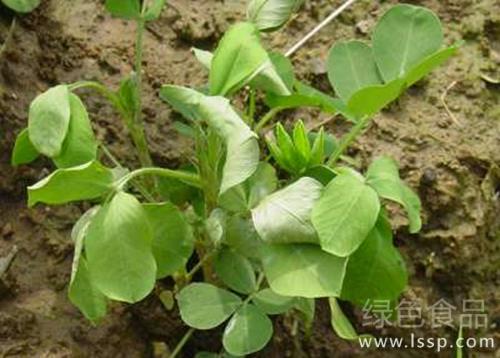
Peanut bacterial wilt
Transmission route: The peanut bacterial wilt pathogen overwinters in the soil, in diseased plant debris, and in incompletely decomposed compost, becoming the main primary infection source for the following year. In the field, it is mainly spread through soil, running water, and farm tools. High temperature and high humidity are the dominant factors for the high incidence of peanut bacterial wilt.
Prevention and control methods:
1. The most economical and effective method for preventing and controlling bacterial wilt is to select disease-resistant peanut varieties; crop rotation also has an effect on controlling the occurrence of bacterial wilt.
2. Chemical control: (1) Preventive plan: Mix 30 ml of Qingku Like with 15 kg of water for root irrigation, irrigate once every 7-10 days, for 2-3 consecutive times.
(2) Early to mid-stage of disease: Mix 50 ml of Qingku Like with 15 kg of water for root irrigation, irrigate once every 7 days, for 2-3 consecutive times. If the pathogen also damages the above-ground parts of the peanut, while irrigating the roots, spray the above-ground parts, applying once every 7 days; when spraying, add 50 ml of Qingku Like + 40 ml of Jinbei or Wofengsu per 15 kg of water.
(3) Mid to late stage of disease: When peanut bacterial wilt is severe, for faster results, when irrigating roots or spraying, add agents such as 50 ml of Qingku Like + 15 g of hymexazol or 25 g of metalaxyl? mancozeb or 20 g of 20% bismerthiazol.