Pepper bacterial wilt reproduces fast in high temperature and high humidity: how to prevent and control it
Pepper bacterial wilt is a typical bacterial soil-borne disease, and the pathogen is bacteria of the Pseudomonas solanacearum genus. The pathogen survives for a long time and mainly invades through wounds on the stems of pepper plants. During operations such as transplanting and loosening the soil, as well as root wounds caused by damage from insects and other factors, bacteria in the soil can invade. In high temperature and high humidity, it reproduces rapidly.
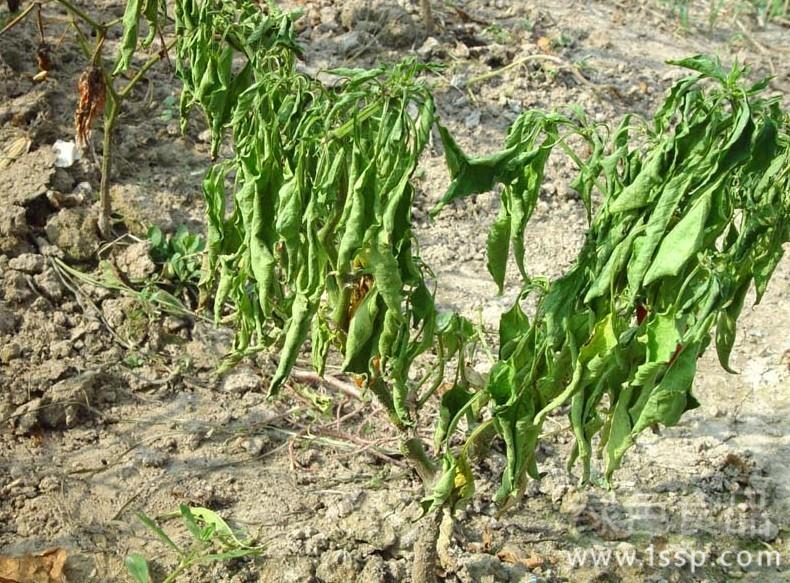
Pepper bacterial wilt
I. Symptoms of the disease:Bacterial wilt mostly occurs during the flowering period of peppers. In the early stage of the disease, a few leaves at the top of the pepper plant begin to wilt, and it is extremely obvious around noon; from evening to dawn and on rainy days, the top leaves of the pepper plant return to normal. After this repeats for many days, diseased plants in the field increase, and the wilting gradually intensifies. The wilting of pepper leaves spreads from top to bottom, causing the whole plant to wilt. The leaves turn yellow. From disease onset to death, it generally takes 5-7 days, and when there are many rainy days, it is extended to about 10 days.
II. Prevention and control measures:
(1) Agricultural control:
1. According to local conditions, select improved pepper varieties with disease resistance.
2. Apply more phosphorus and potassium fertilizer, and spray 100 mg/kg boric acid solution to promote vascular bundle growth and enhance disease resistance.
3. Rotate crops for more than three years. Bacterial wilt harms many solanaceous crops. If the previous crop was tomato, eggplant, or pepper, it is not suitable to plant peppers.
4. Pay attention to drainage. Water can spread the bacterial wilt pathogen. For pepper cultivation, use high ridges and narrow beds, drain promptly, and do not allow water to accumulate in the beds.
5. When diseased plants are found, pull them out promptly, and spray Hushu Jiangjun fungicide on the pepper planting holes and nearby soil for sterilization and disinfection to prevent spread.
(2) Chemical control:
In the early stage of the disease, you can use 100-200 mg/kg streptomycin sulfate, or 30% BT wettable powder at 500 times dilution, or 77% Keshade wettable micro-particle powder at 500 times dilution, or 14% copper ammonia complex aqueous solution at 300 times dilution, spraying once every 7-10 days for 3 consecutive treatments, with good results.
You can also drench the chemical solution when watering the roots at the time of pepper transplanting. At this stage, the amount of solution needed is relatively small, 250 ml per pepper plant, once every 5-7 days for 3 consecutive times, which can effectively protect the roots. At the early flowering stage of peppers, strengthen it 2 more times, which can effectively control the occurrence of bacterial wilt; in the early stage of the disease, focus on applying the chemical, using the root-drenching method, 500 ml per pepper plant, and at the same time remove diseased plants promptly. During irrigation, flooding irrigation is prohibited to avoid spread of the pathogen.