Remedial measures for grapes that shed flowers and dropped fruit after a hail strike
After grapes are hit by hail, branches break, and leaves and grapes are bruised; in severe cases, flowers shed and fruit drops, which not only affects tree vigor and yield but also easily triggers a high incidence of diseases and pests. To strengthen grape management after a hail disaster, ensure the normal growth and development of the grapevines, and minimize losses, the following remedial measures can be taken promptly:
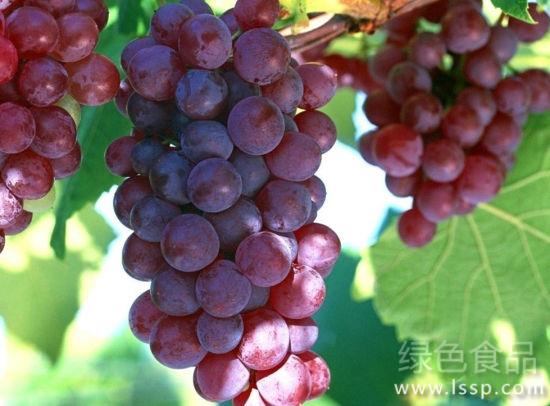
Grapes
1. Promptly prune off the residual branches, residual leaves and severely damaged fruit caused by the hail disaster, and remove them from the vineyard, burying them deeply or burning them.Promptly prune off the broken or split new grape shoots and branches, trim the wounds flat, and reduce the wound area to facilitate healing. For grapes severely injured by hail, the severely affected ones can be removed; if the injured area is not large and the damage is relatively light, the grapes can be retained.
2. Spray fungicidal pesticides to prevent pathogens from invading and spreading through the hail-inflicted wounds on the grapes.Because of the hail strike, the new shoots, leaves, branches, fruit and other parts all suffer varying degrees of damage, and pathogens easily invade. It is recommended to spray with Baobeifumeishuang at 1000-2000 times dilution.
3. Topdress promptly.Leaves bruised by hail not only hinder nutrient production, but the healing of wounds also requires a large amount of nutrients. Therefore, after the disaster, quick-acting fertilizer should be supplemented to the grapes in time. Generally, for fruiting grapes, apply an additional 10 kg of urea, 20-30 kg of ordinary calcium superphosphate, and 10 kg of potassium sulfate per mu.
4. Loosen the soil.After a hail disaster, soil permeability is poor and ground temperature is relatively low, which affects grape root growth. Timely intertillage and soil loosening are needed to increase permeability. In low-lying areas, drain water promptly to create a good environment for grape root growth.
5. Strengthen the protection of grapevines after the disaster.Thin out excessively dense branches and leggy branches to make the canopy well ventilated and let in light; remove some weak and small grapes to reduce the load; promptly control diseases and pests to create good growing conditions for the grapevines.