Corn thrips suck sap and secrete toxins that inhibit growth; how do you control them?
Corn thrips damage is caused by adult and nymph thrips using their rasping-sucking mouthparts to feed on the sap of corn leaves and secrete toxins, which inhibits corn growth. In recent years, due to drought and changes in corn cultivation systems, especially the diversification of corn sowing dates, the damage caused by corn thrips has increased year by year, and it is one of the main pests during the corn seedling stage. However, because thrips are small and their activity is relatively hidden, they are not easy to detect, and the control period is easily missed.
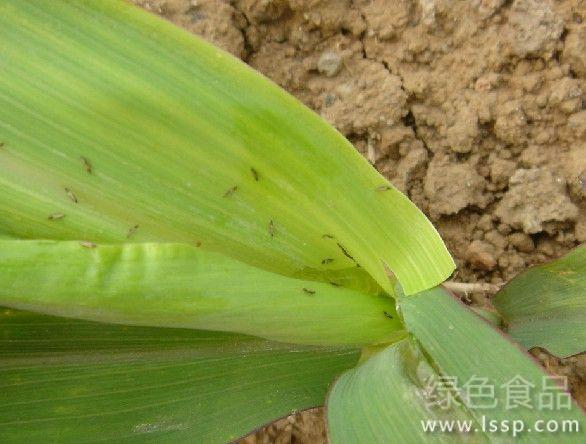
Corn thrips
1. Damage symptoms: Corn thrips, a small pest of the order Thysanoptera, is one of the main pests during the corn seedling stage. When damaging corn, the yellow thrips first damages the underside of corn leaves; the grass thrips and rice tube thrips first damage the upper side of corn leaves. Both can cause corn leaves to show intermittent silvery-white streaks, accompanied by small dirty spots. Severely affected corn leaves often look as if coated with a layer of silver powder. Thrips mostly gather on the young corn leaves and the heart leaf. After corn leaves are damaged, pale markings appear. In severe cases, the distal half of the leaf dries up and the heart leaf cannot emerge; even if it emerges, some plants later develop twisted heart leaves and leaves that cannot unfold, causing the leaves to grow deformed in a "cow tail" shape, mostly appearing as rosetted leaf clumps with a crazy-top shape or causing large numbers of corn seedlings to die, or even requiring replanting.
2. Control methods:
1. Together with field thinning to establish the final stand, pull out infested seedlings, carry them out of the field and destroy them, to reduce the pest source and prevent its spread.
2. Apply more seedling fertilizer, water timely, increase field humidity, inhibit thrips growth and development, promote early corn growth, and create an environment unfavorable for thrips survival to reduce damage.
3. When the percentage of corn plants infested by thrips in the corn field reaches 5%, or when there are 30 thrips per 100 plants, control them promptly. Commonly used chemical agents: 3% acetamiprid emulsifiable concentrate at 2000 times dilution, 40% chlorpyrifos emulsifiable concentrate at 1500 times dilution, 10% imidacloprid wettable powder at 1500 times dilution, 4.5% beta-cypermethrin at 1000 times dilution.