There are many causes of flower and fruit drop in sweet peppers, how can they be prevented and controlled?
There are many causes of flower and fruit drop in summer sweet peppers. The occurrence of pests and diseases, high temperatures, fertilizer and water management, and improper use of pesticides can all lead to flower and fruit drop in sweet peppers.
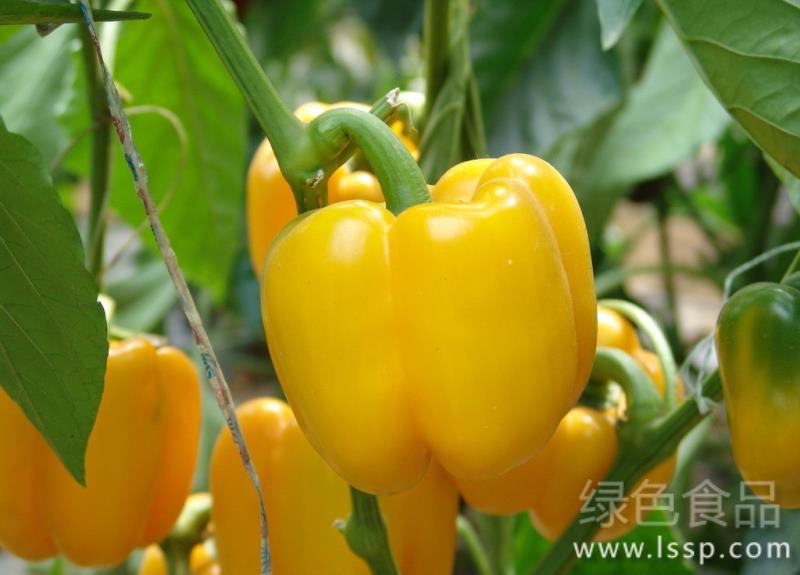
Sweet pepper
I. Temperature causes:If the temperature is too high (above 35°C), it will cause poor pollination and fertilization due to incomplete flower organ development or dried-up stigmas, leading to flower and fruit drop. In addition, high nighttime temperatures in summer make plants prone to excessive vegetative growth, and excessive vegetative growth will cause flower and fruit drop in sweet peppers. During the day, mud slurry can be splashed to lower the temperature inside the greenhouse, and at night the vents can be opened wide to lower the nighttime temperature. The temperature during the flowering period should be 20-27°C during the day and 15-20°C at night.
II. Nutritional causes:The growth of sweet peppers requires photosynthetic products, fertilizer and water. When the soil is dry and water is insufficient, the absorption of fertilizer and water by sweet peppers will be inhibited, causing flower and fruit drop. When there is too much water, the soil permeability becomes poor, hindering root respiration and growth and development of sweet peppers, and even causing root rot, leading to flower and fruit drop. The ideal soil condition is dry-then-wet. In addition, fertilizer should be comprehensive, with a balanced combination of nitrogen, phosphorus and potassium. Too much or too little nitrogen fertilizer, or a lack of phosphorus and potassium, will cause flower and fruit drop in sweet peppers due to insufficient nutrients or nutritional imbalance. Special reminder: after sweet peppers enter the fruiting stage, the potassium requirement increases to about twice that of nitrogen, so during the fruiting stage, attention should be paid to potassium fertilizer application.
III. Causes of pests and diseases, and pesticide damage:Viral disease is the number one killer of summer sweet peppers. After infection with viral disease, sweet pepper plants often become stunted or have dead growing tips, causing flower and fruit drop. To address this situation, the first step is to eliminate the insect sources that transmit the viral disease, which can be controlled with imidacloprid, Yibianjing, etc., or combined with spraying Virus A, ningnanmycin, etc.
In addition, since summer temperatures are high, the pesticide concentration should be lower to avoid causing pesticide damage to sweet peppers.