Sheath blight breaks corn stalks: how to control corn sheath blight
Corn sheath blight occurs in all corn-producing regions and is caused by Rhizoctonia solani. Besides damaging corn, it also infects crops such as rice, wheat, sorghum, cotton and soybean.
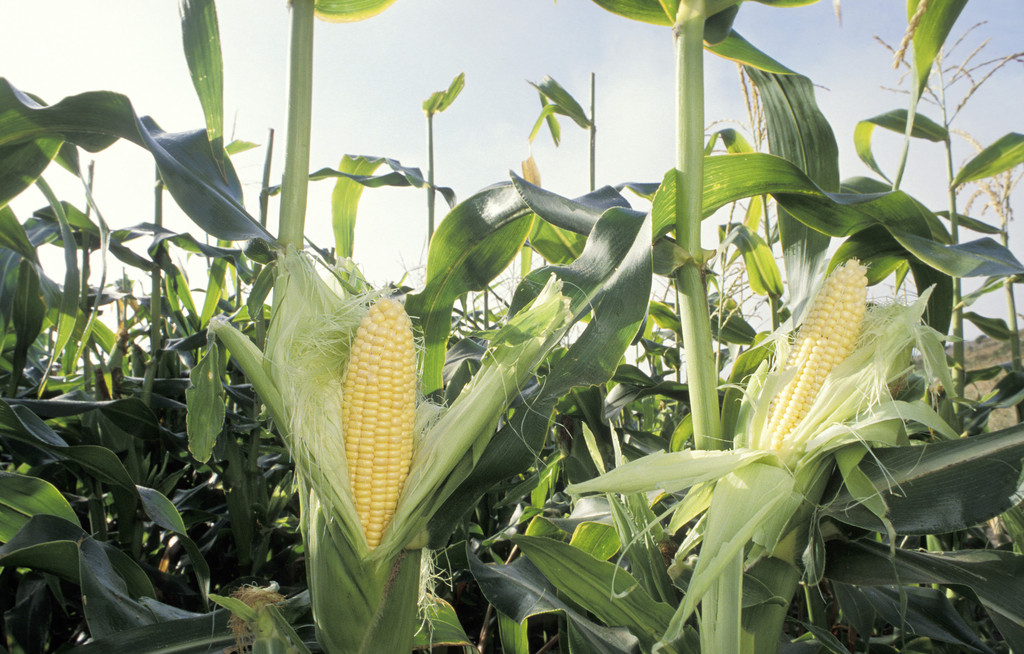
Corn
Disease development pattern:
The sclerotia overwinter in the soil and infect corn the following year. The leaf sheaths at the base of the corn stalk are affected first, and the disease gradually spreads. Corn begins to develop the disease at the jointing stage; during the tasseling stage the disease progresses rapidly, and damage is severe during the silking and grain-filling stages. Continuous corn cropping leads to severe disease; high water and fertilizer levels, high planting density, high field humidity and poor ventilation and light penetration lead to severe disease. Abundant rainfall and large amounts of precipitation in July and August easily trigger the disease.
Control methods:
1. Plant disease-resistant varieties: corn varieties with moderately sized leaves that grow tilted upward allow good ventilation and light penetration in the field and suffer lighter disease.
2. Strengthen cultivation management: fertilize reasonably, avoid over-application of nitrogen fertilizer, irrigate and drain properly, reduce field humidity and improve disease resistance. At the early stage of the disease, peeling off some of the diseased leaf sheaths from the corn can reduce the severity of the disease.
3. Chemical control: at the early stage of the disease, use Tianda-2116 at 600 times dilution + 96% hymexazol at 3000 times dilution, or per 666.7 sq m use 5% jinggangmycin 100-150 ml, or 20% powder 25 g, or 150-200 ml of 120 agricultural antibiotic water-based formulation, add 50-60 kg of water and spray on corn stems and leaves. Or use 3% polyoxin 0.25 g diluted with water at 600 times for spraying. You can also use 50% thiophanate-methyl wettable powder, or 50% carbendazim wettable powder + Tianda-2116 grain-specific formulation at 500-800 times dilution for spraying.